
In 2026, Wheat Ear Day is on May 14. Also known as Ascension Thursday, this day celebrates the consecration of Spring and, according to Catholic tradition, Jesus Christ’s ascent to heaven 40 days after the Resurrection (Easter). More than a religious commemoration, it is an ancestral ritual deeply connected to the land and natural cycles.
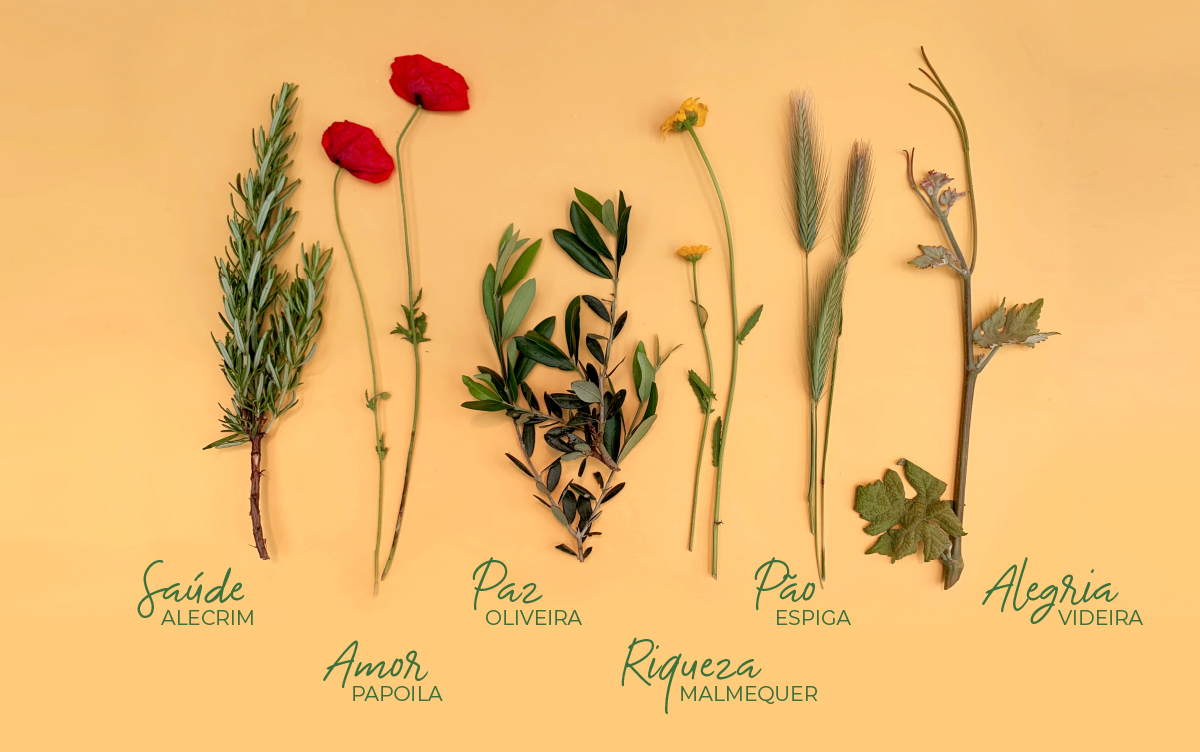
According to tradition, Wheat Ear Day was considered “the holiest day of the year,” when no work should be done. It was a day of solemn rest and an opportunity to take advantage of the start of good weather for a morning walk through the fields, a picnic with family or friends and, in that context, to compose the traditional wheat ear bouquet. This bouquet includes wheat ears and wildflowers, such as poppies or daisies, as well as sprigs of olive, rosemary and vine.
Due to its strong connection to Nature, this custom is thought to date back to ancient pagan traditions. It began long ago with the Celts and Romans, who thanked the gods for the first harvests of the year, being associated with the festivals of the goddess Flora that took place around this time. With the arrival of Christianity, and taking into account the dates of Easter celebrations, in Portugal this day became associated with the Feast of the Ascension, celebrated 40 days after Easter. It was once a national holiday and currently remains a holiday in some municipalities of the country.


“Whoever has Ascension wheat will have bread all year”
This is an old saying linked to the Wheat Ear Bouquet, in which each plant is associated with a meaning:
- The wheat ears represent bread, as the foundation of the family’s livelihood, and fertility.
- The poppy means love, life.
- The daisy symbolizes wealth and prosperity.
- The presence of the olive tree means Peace and Divine Light.
- The rosemary represents health, strength, and resilience.
- The vine symbolizes wine and joy.
According to old customs, the bouquet should be placed behind the home’s front door and should only be replaced the following year with a new one, as a symbol of luck and prosperity for the household.

Fun Fact
On stormy days, you should burn some of the wheat ears from the bouquet
to ward off lightning and thunder.
At Horto do Campo Grande, we like to keep traditions alive, so we’ve prepared Wheat Sheaves Bouquets, available in our stores, so you can follow this custom too and place the bouquet behind the door for a prosperous and happy year!