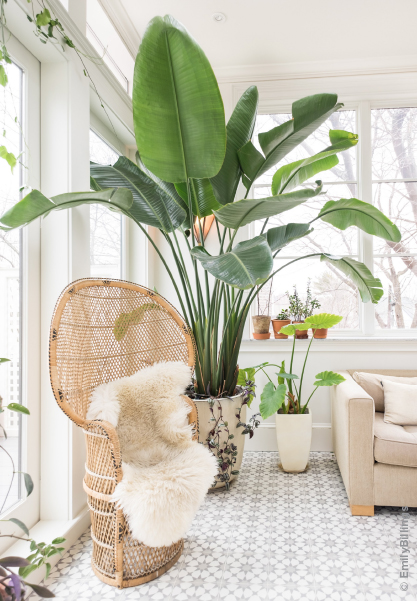
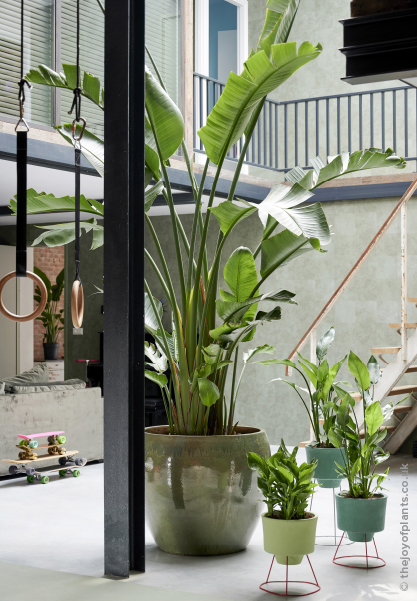
Nicolai is the queen of the Strelitzias. The large, banana-like leaves and showy stature of this African beauty make it the star of any room!
Common Names Giant bird of paradise, Wild banana, Giant strelitzia, Strelitzia augusta, White strelitzia
Family Strelitziaceae
Origin South Africa
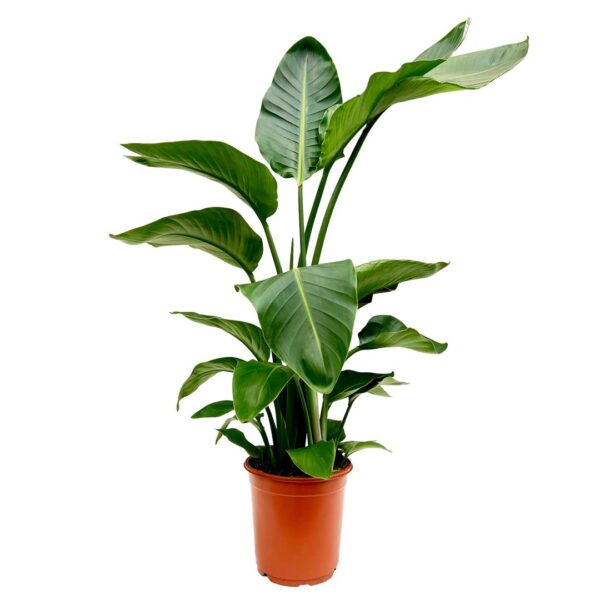

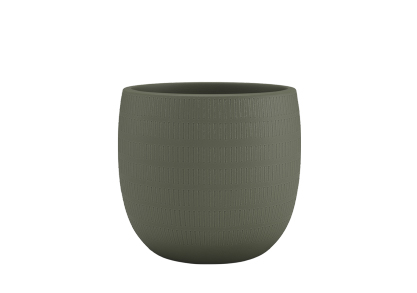
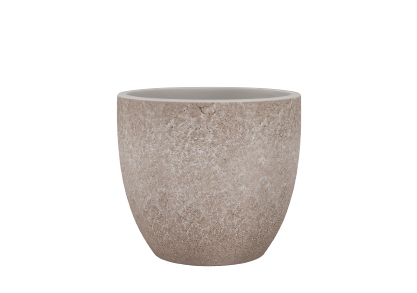
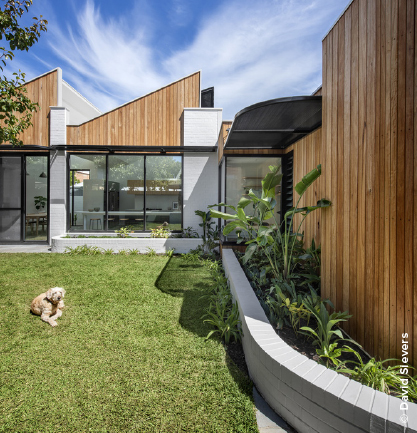
It’s native to South Africa, where it naturally receives plenty of light and warmth, but despite the characteristics of its place of origin, it’s a plant that adapts well to different types of environment. However, if you keep it outside, make sure you keep it protected from frost and wind.
Fun fact
Naturally accustomed to being treated like “royalty” in its environment, the botanical name Strelitzia was given in honor of Queen Charlotte, Duchess of Mecklenburg-Strelitz and wife of King George III of England. The name Nicolai was given in honour of Tsar Nicholas of Russia.
Key Features


How to care for it
The Strelitzia Augusta is not very demanding, but it needs some care so that it can grow healthily and so that its highly prized exotic leaves stay beautiful.
Light: Strelitzia prefers plenty of indirect (or filtered) light. But it can tolerate a few hours of direct sunlight, as long as it is always away from the window so as not to burn its leaves.
Watering: Accustomed to a tropical climate, it is important for the Strelitzia to have moist soil, but not overly so: in winter it should be watered at most once a week, and in summer, whenever you see the soil is dry, it’s time to water (the best way is to check with your finger if the soil is moist at a depth of 2-3 cm; remember that less water is always better than too much). Avoid leaving the plant with water at the bottom of the pot or dish, as this can cause the roots to rot, but spray its leaves occasionally to help remove any dust that settles on its magnificent glossy leaves.
Temperature: As the African beauty it is, it loves mild to warm temperatures between 20-28°C, but can withstand low temperatures down to 10°C – 13°C.
Substrate: Strelitzia needs fertile soil with good drainage, which can be achieved by mixing in some expanded clay.
Fertilization: During the spring, it is best to fertilize weekly with liquid fertilizer.
Caution: If ingested, Strelitzias are considered TOXIC to animals.
Did you know…
The Strelitzia is a plant so revered in South Africa that it even appears on 50-cent coins?