
May 29th marks the Dia da Espiga, a Portuguese tradition also known as Ascension Thursday. According to Catholic tradition, this day celebrates the ascension of Jesus Christ into heaven, forty days after his resurrection.
According to tradition, the Dia da Espiga was considered “the holiest day of the year,” a day when no work should be done, and people would set off on a morning walk through the fields to gather ears of wheat. It was also called “the day of the hour” because there was an hour—noon—when everything stopped: “the waters of the streams do not flow, the milk does not curdle, the bread does not rise, and the leaves cross each other.”
The Tradition
Tradition dictates that on Ascension Thursday, the day begins with a morning walk through the meadows, usually done in groups or with family. The purpose of this walk is to harvest ears of wheat to later create a bouquet that also includes wild flowers. Don’t have your bouquet yet? Buy your Dia da Espiga Bouquet here.

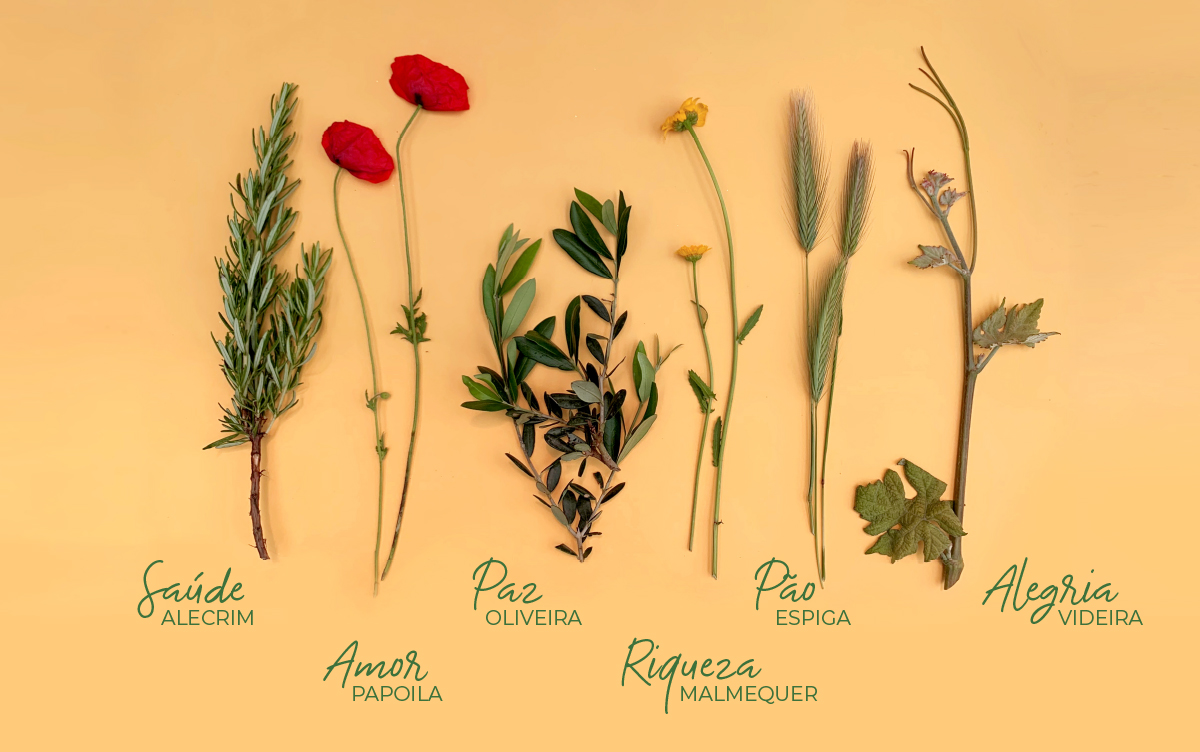
The flowers and plants that make up the bouquet are not always the same: they vary from region to region, according to the biodiversity each land offers. However, there are elements that appear almost every time, each with a specific symbolism:
- The ears of wheat represent bread, as the basis of family sustenance, and fertility.
- The poppy means love and life.
- The daisy symbolizes wealth and prosperity.
- The presence of olive branches signifies Peace and Divine Light.
- The rosemary represents health, strength, and resilience.
- The grapevine symbolizes wine and joy.
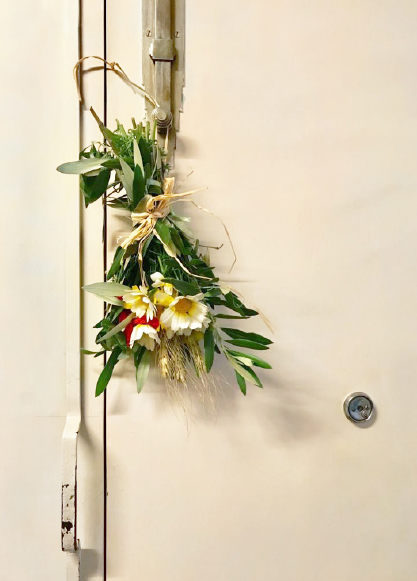
Ancient customs dictate that the bouquet should be placed behind the front door of the house and only replaced the following year with a new one, as a symbol of luck and prosperity.

© Companhia das cores for Horto do Campo Grande