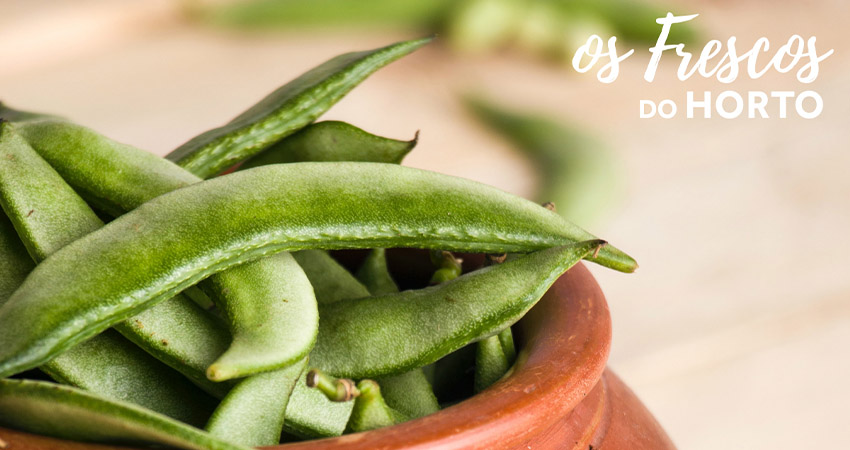
Rich in vitamins and minerals, with a sweet flavor, tender and crispy texture, green beans are an excellent healthy option to include in a wide variety of recipes.
Originally from Mexico, green beans belong to the fresh legume family and can also be called pods. From the same family as shell beans, such as butter beans, white beans, or black beans, green beans, unlike their “cousins,” can be consumed whole, from pod to seed. But within the green bean variety, there are three different types: green or flat beans, round beans, and cranberry beans. Although green is the most common color, they are also found in purple and yellow varieties.


Green beans are one of the least caloric legumes, making them an excellent ally in weight loss. Their high fiber content helps control cholesterol and sugar levels in the body, as well as regulate intestinal transit.
Also rich in antioxidants, using green beans in your recipes has numerous health benefits:
- Reduces the risk of heart disease and protects the skin: Vitamin B6 and B9 (folic acid) reduce homocysteine levels in the blood, decreasing the risk of developing heart disease. The presence of carotenes helps prevent heart and cancer diseases and helps protect the skin.
- Helps eliminate liver fat: Green beans contain choline, a substance that aids in the process of excreting fat from the liver.
- Promotes eye health: Lutein and zeaxanthin protect vision from damage caused by aging.
- Bone ally: The presence of calcium, vitamin K, and C protect bone density.


Grow it yourself:
Green beans are sensitive to frost and enjoy warm weather. Therefore, the ideal time to sow them in your garden is in spring, at a depth of 3 cm. Harvesting is done in summer, the perfect time to accompany grilled fish.
Tip:
To preserve them longer, store green beans in the refrigerator inside a perforated plastic bag, without washing them beforehand.