Celebrated on January 26, World Environmental Education Day invites us to reflect on how we relate to the planet and the essential role of education in building a more sustainable future. More than just a symbolic date, this day reminds us that to preserve, we must learn to care… and that every gesture, no matter how simple it seems, counts.
Environmental education: a foundation for conscious choices
Environmental education is a continuous process that spans generations and contexts, both formal and informal. It helps us understand the impact of our actions on the environment around us and encourages the adoption of more responsible behaviors in our daily lives. From childhood to adulthood, learning to respect natural resources is fundamental to promoting active, informed citizenship committed to the balance between society, economy, and the environment.
In a context marked by global environmental challenges, such as climate change, biodiversity loss, or resource scarcity, education takes on a transformative role. It is not limited to just passing on knowledge; it stimulates critical reflection, awakens values, and promotes attitudes that lead to more sustainable practices in everyday life.
The importance of environmental education for new generations
Talking about environmental education is also talking about intergenerational responsibility. The concept of sustainable development is based precisely on the ability to meet the needs of the present without compromising the future. By promoting conscious habits in the use of water and energy, and in the way we consume or move around, we are contributing to a more balanced and resilient path.
This lifelong learning process allows us to better understand the environmental crises we face and actively involve ourselves in the solutions. Choosing good practices, rethinking routines, and valuing the land are essential steps to protect the landscape, ecosystems, and biodiversity.
Best practices for a more sustainable future
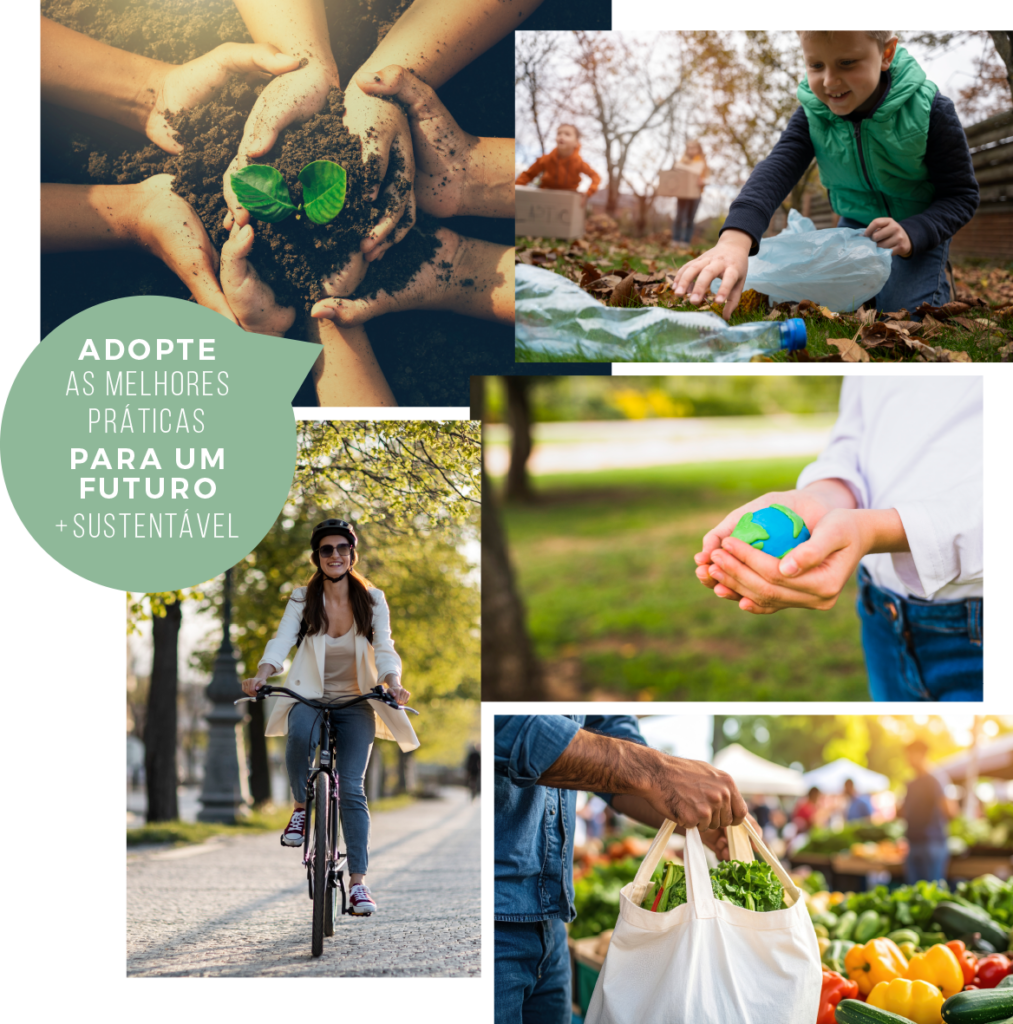
Environmental education only gains strength when it translates into concrete actions. Reducing waste, reusing materials, recycling, saving water and energy, or opting for more sustainable means of transport are examples of choices accessible to everyone. Conscious consumption, valuing local products, and participating in nature protection initiatives also make a difference!
In schools, families, businesses, and communities, promoting sustainability involves integrating these practices into daily life and sharing knowledge. By involving children and adults, lasting habits and a stronger collective awareness are created. children and adults, lasting habits and a stronger collective awareness are created.
© Companhia das Cores for Horto do Campo Grande