Aromatic herbs are much more than simple culinary ingredients. Besides enhancing the flavor of dishes, they offer various health benefits due to their nutritional and therapeutic properties. They are easy to grow in outdoor spaces, even small ones, and help add color and fragrance to gardens, patios, and balconies.
1. UNDERSTANDING THE DIFFERENCES: ANNUALS VS. PERENNIALS
Before planting, it’s essential to understand each plant’s life cycle to plan for replacement or maintenance:
- Annuals: Have a short life cycle (one year or less). Examples: Basil (Ocimum basilicum), Parsley (Petroselinum crispum), and Coriander (Coriandrum sativum).
- Perennials: Last several years and remain in the garden season after season. Examples: Chives (Allium schoenoprasum), Sage (Salvia sp.), Thyme (Thymus sp.), Savory (Satureja hortensis), Marjoram (Origanum majorana), Lavender (Lavandula sp.), Lemongrass (Cymbopogon citratos), Lemon Balm (Melissa officinalis), Lemon Verbena (Aloysia citrodora), Mints (Mentha sp.), Bay Laurel (Laurus nobilis), Curry Plant (Helichrysum italicum), and Oregano (Origanum vulgare).
2. WHAT DO YOU NEED TO GET STARTED?
Most aromatic plants are Mediterranean in origin and need at least 4 to 6 hours of direct sunlight per day. Ideally, they prefer to be planted in the ground, but in small spaces like balconies, it’s also possible to maintain a small herb garden. There are various pot options, including hanging planters and vertical gardens. However, subshrub plants like Rosemary, Lavender, and herbal teas (Lemongrass, Lemon Verbena, etc.) benefit from larger, deeper pots to develop their roots.
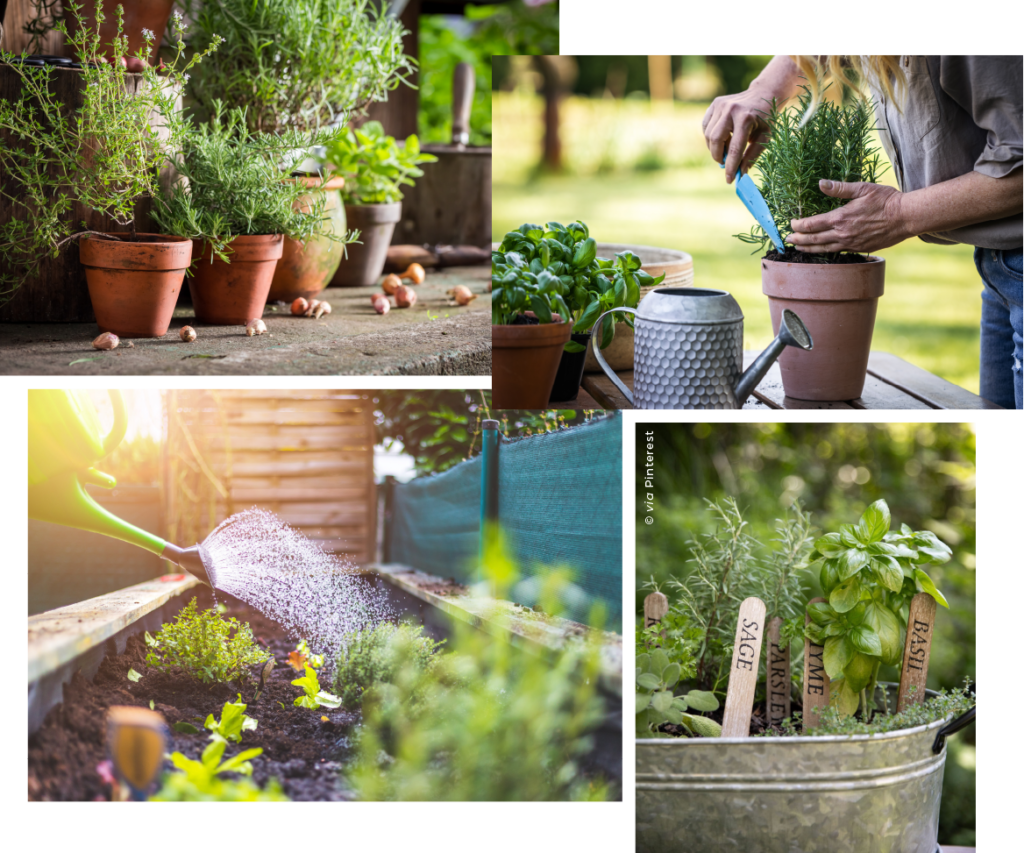
Step-by-step for planting in pots/planters:
- Drainage: Choose a container with drainage holes. Place a layer of expanded clay at the bottom to prevent root rot.
- Soil: Use a suitable substrate, ideally for aromatic or vegetable plants.
- Planting: Spacing varies depending on plant size, but allow at least 15 to 20 cm.
- Identification: Use labels or popsicle sticks to mark each species.
- Watering: Water appropriately for each plant.
For planting in the ground, you need to dig holes suitable for the root ball size and prepare the bottom with appropriate substrate, respect spacing between plants, and water at the end. Don’t forget to identify the plants—popsicle sticks are a simple and effective solution.
3. MAKING COMBINATIONS THAT WORK IS ESSENTIAL!
Success in cultivation comes from choosing favorable combinations. “Companion” aromatics grow better together, without competition, and can even protect each other. They can also be combined with vegetables in urban gardens or allotments.
Some examples:
- The Mediterranean Mix: Rosemary, Sage, Thyme, and Oregano – Work well together in pots and beds, enjoy sun and good drainage. They form a combination that’s a true classic of Mediterranean cuisine.
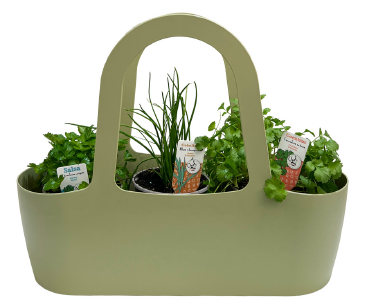
- The Fresh Trio: Parsley, Chives, and Coriander. They are compatible in cultivation and cooking; chives have antifungal properties, making them ideal to plant among other plants.
- Garden Allies: Basil protects Tomatoes from pests; Rosemary, Mint, and Thyme keep caterpillars away from Cabbages.
- Pollinators: Lavender, Rosemary, and Thyme are excellent companions in cultivation. Perfect plants for creating colorful, fragrant planters or beds that are effective at repelling pests and attracting pollinators.
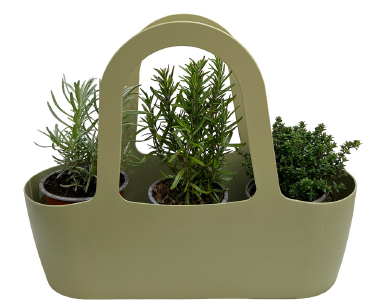
Parsley, Chives, and Coriander
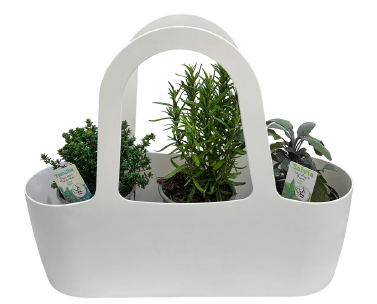
Thyme, Rosemary, Sage
Lavender, Rosemary, Thyme
4. ESSENTIAL CARE
• Watering
– Frequent: Basil, Parsley, Coriander, and Mint like moist soil.
– Moderate: Rosemary, Thyme, and Lavender prefer the soil to dry out between waterings.
Tip: In winter, reduce watering and let the rain take care of it.
• Fertilization and Soil
Ideally use organic fertilizers, such as worm castings, especially in spring and summer. Avoid excess fertilizer, as it can burn the sensitive roots of aromatic plants. The substrates we sell are already fertilized, so this isn’t necessary at planting time.
• Pruning and Harvesting
– Perennial aromatic plants should be pruned after flowering.
– Harvesting should be done from the outside toward the inside of the shrub.
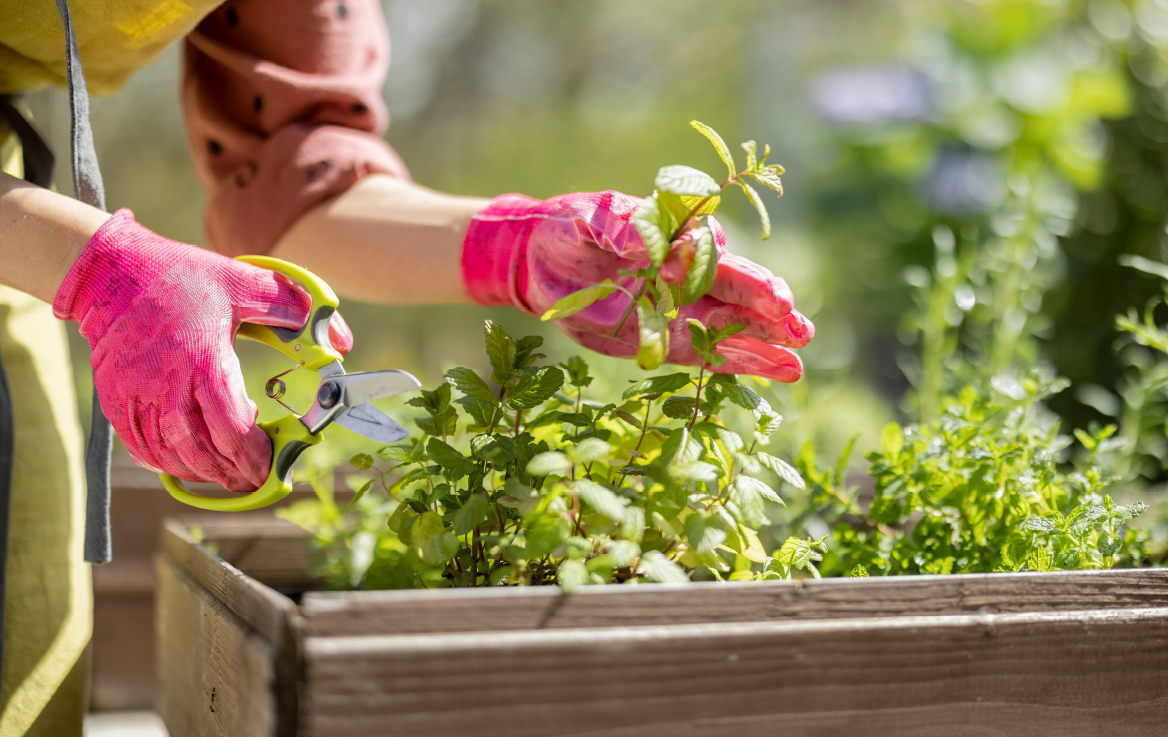
– Use clean, sharp scissors and make diagonal cuts.
– Basil Trick: Cut off flowers as soon as they appear so the plant continues to focus energy on leaf production.
5. HOW TO PRESERVE: THE DRYING PROCESS
- Choose a dry day, so the plant isn’t wet;
- Make clean, diagonal cuts;
- Arrange the harvested stems on a tray or hang them upside down;
- Dry in a dry location protected from light;
- After about 4–5 days, check if thoroughly dry and store in labeled paper bags.
And now, which of these aromatic herbs can’t be missing from your kitchen?
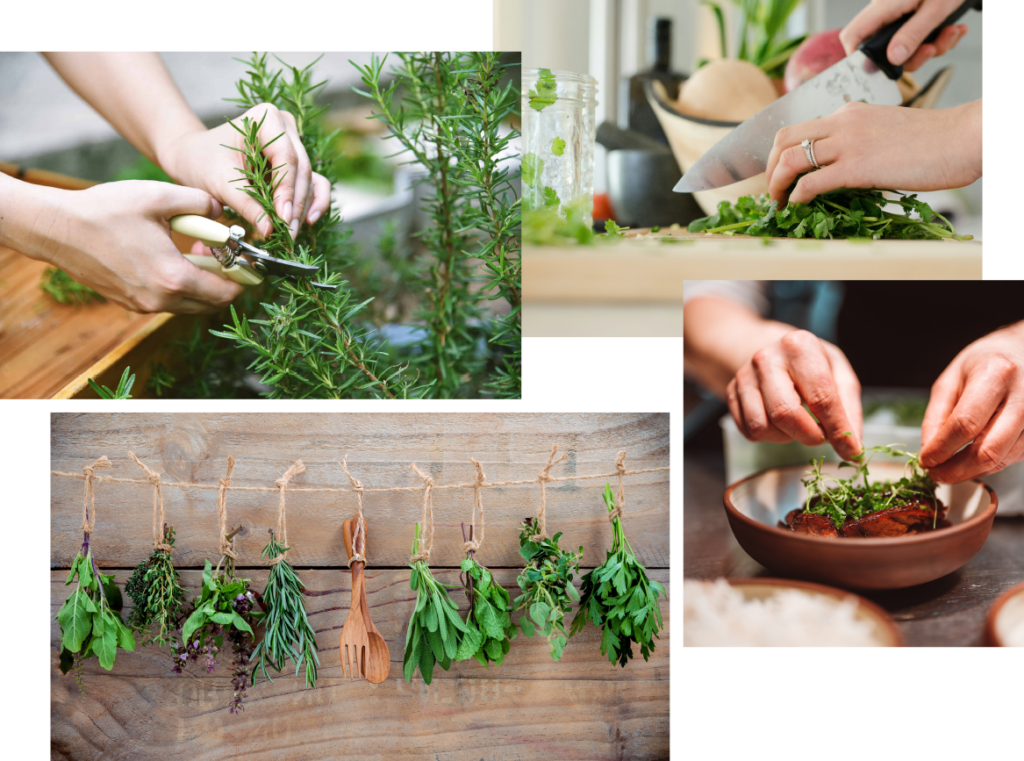
Image bank © AdobeStock, Istockphoto, Pexels, Unsplash
© Companhia das Cores for Horto do Campo Grande