
There is something indescribable about roses—they express delicacy, beauty, and elegance. Perhaps this is why they are sought-after flowers not only for special occasions, but also for decorating gardens, balconies, or planters. Discover the species available at Horto do Campo Grande and the cultivation and maintenance care for rose bushes.
Roses are among the most widely cultivated and distributed species in the world and are highly appreciated for their beauty, fragrance, resilience, and long flowering periods. They are extraordinary shrubs or even climbers that form part of the essence of the Portuguese garden.
The growth habit of roses varies depending on the variety chosen and they can display an infinite range of striking colors.
Cultivation and maintenance care
Maintaining a beautiful rose garden starts with choosing the right location and using proper planting techniques. Put on appropriate gloves and get to work!
Planting location – Roses develop more quickly and are more resistant to pests and diseases when planted in sunny and well-ventilated locations. Roses require at least six hours of sun exposure to develop proper growth and flowering. They prefer well-drained soils, as excess water can promote root rot and the appearance of foliar diseases.
A good tip for successful rose planting is to use a substrate suitable for this type of plant, such as SIRO Roses, and an equally appropriate fertilizer, David Austin Roses. The recommended fertilizer maintenance is twice a year, March/April and June/July.
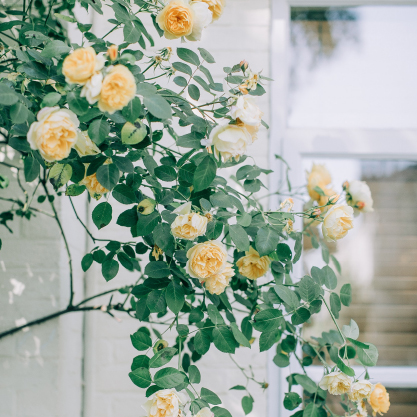
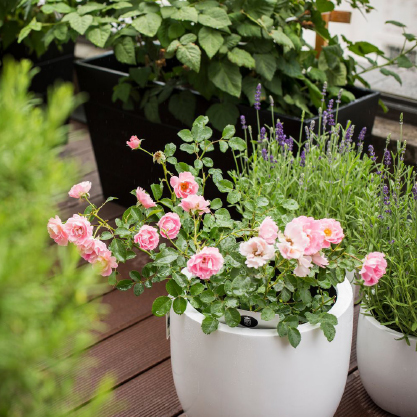
Note: If you choose to plant roses in pots, beds, or planters, select large containers so as not to restrict root development.
Planting season – Bare-root roses should be planted between the second half of autumn and the first half of spring, while potted roses can be planted at any time of year.
Bare-root roses (without root ball) or potted roses require special treatment before planting.
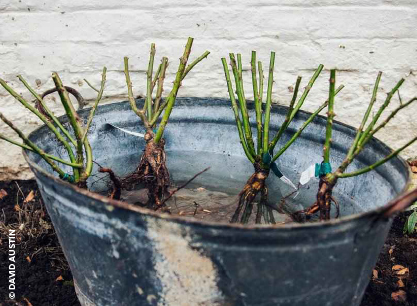
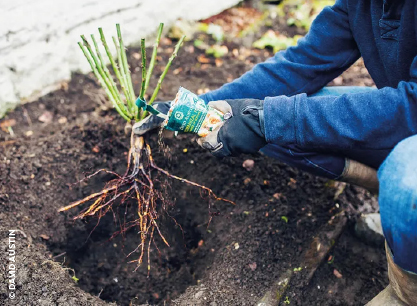
Plant preparation – Bare-root roses should be planted as soon as possible after purchase. The plants should be unwrapped from their packaging, freed from organic matter, and the roots fully immersed in a bucket of water for about an hour before planting.
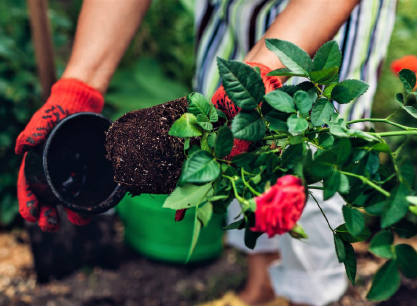
Potted roses require less care before planting. If the pot substrate seems very dry, it should be well watered before planting. Then remove the rose from the pot, loosen the roots slightly, and cut off any dead or damaged parts of the roots and stems with pruning shears.
Planting
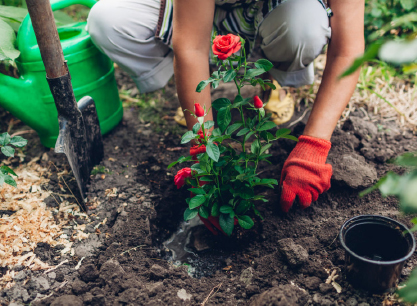
To plant roses, dig a planting hole with a diameter of approximately 40 centimeters. The depth should be sufficient so that the roots are not bent when planting the rose. The soil should be worked in the planting hole to make it loose, facilitating the plant’s rooting. Insert the plant so that the graft point is at a depth of five centimeters. Then fill the hole with rose substrate to support the plant, and in the case of garden planting, build a small ridge around it so that irrigation water does not disperse. Water generously.
Pruning roses
Another essential cultivation operation for the proper growth and development of roses is pruning. Roses should be pruned when they are in their dormant period. For this reason, the best time to prune roses is between January and February.
For this operation, use good-quality pruning shears that cut well and are easy to handle.
Propagation
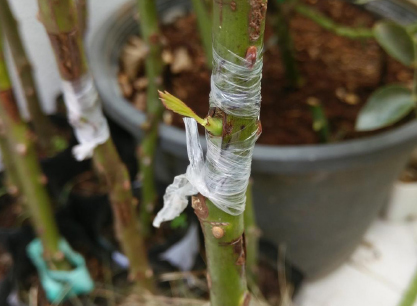
After your roses have grown, you can propagate them by cuttings, layering, or grafting.

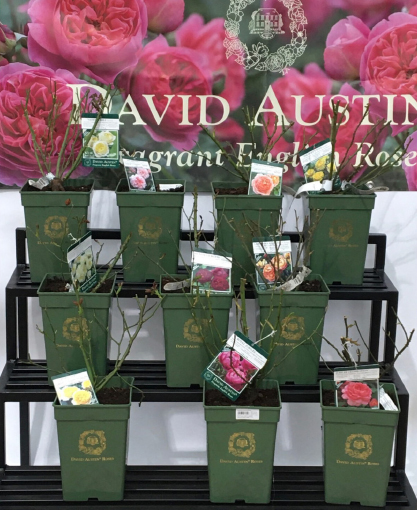
At Horto do Campo Grande you can find David Austin roses, Meilland roses, and the most common shrub roses.
David Austin Roses
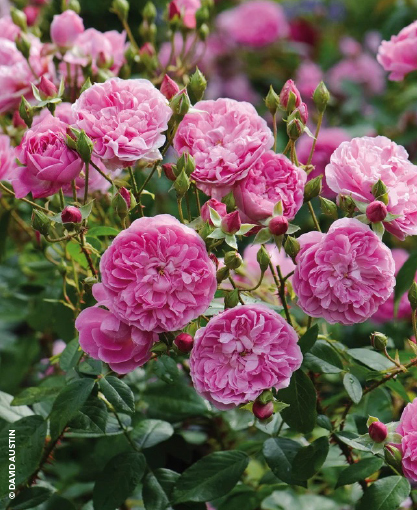
If roses are the queens of flowers, David Austin’s English roses are the queens of roses. Without losing the simplicity of their forms and tones, they are noble, majestic, elegant, and deliciously fragrant. This collection, from one of the world’s most famous horticulturists, combines the best of traditional roses with the best of the most modern hybrids. One of the characteristics that makes it so special is its resistance to colder temperatures or drier climates compared to other more common varieties. They are also resistant to diseases and invasive weeds that can invade their space.
Tip: When planting several roses, leave about 70 centimeters between them so they don’t interfere with each other’s growth or block their light.
Meilland Roses
The ‘Mme Antoine Meilland’ rose is one of the most planted roses in the world! The flowers bloom between April and October and are enormous and very double, eventually opening voluptuously in a cup shape. The flower tones can vary slightly depending on soil type, sun, and age. The Meilland rose has bright green foliage and is very disease-resistant. It’s a safe bet for any garden!
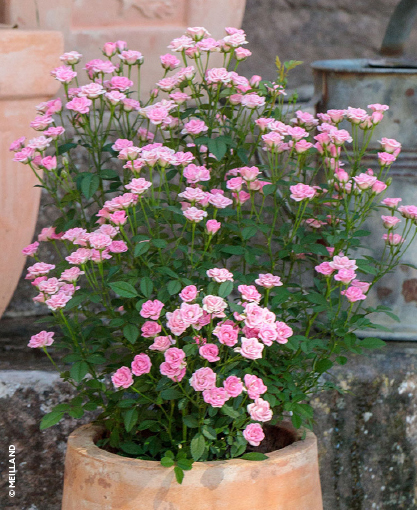
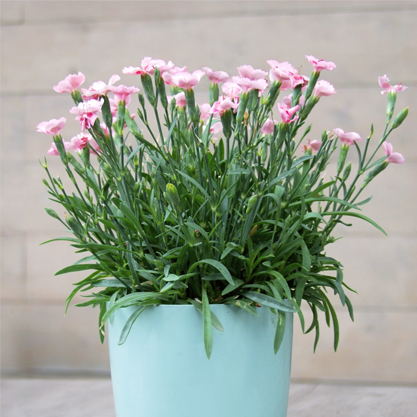
Shrub roses: These are shrubs that reach an average height and spread of 2.00 m. The flowers are 5-10 cm wide, either single or double. They are usually repeat-flowering and bloom from May to September.
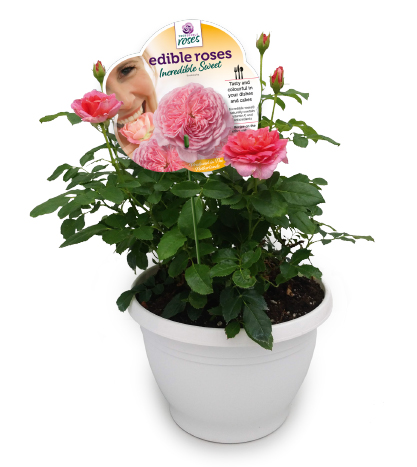
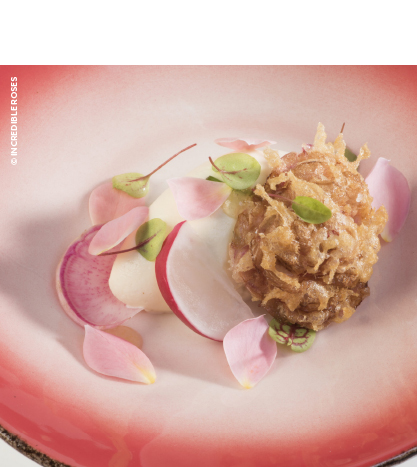
Have you discovered edible roses yet?
Incredible Roses, which bloom between May and September, are not only beautiful and fragrant flowers, but also edible roses. Flavorful and rich in vitamins and antioxidants, these edible roses are exhaustively tested and carefully selected so they can be added to any meal. A must-have to plant in the garden!
Accessories and substrates
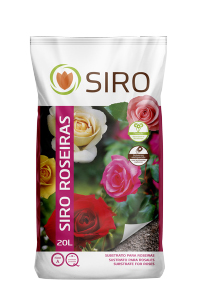
Rose Substrate 20L
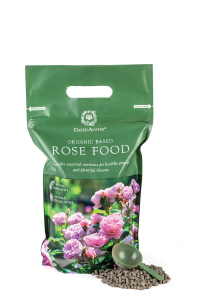
Rose Fertilizer 1.75kg

Pruning shears
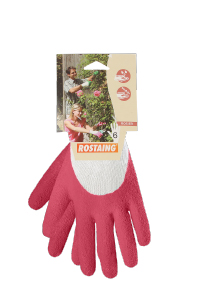
Rose gloves