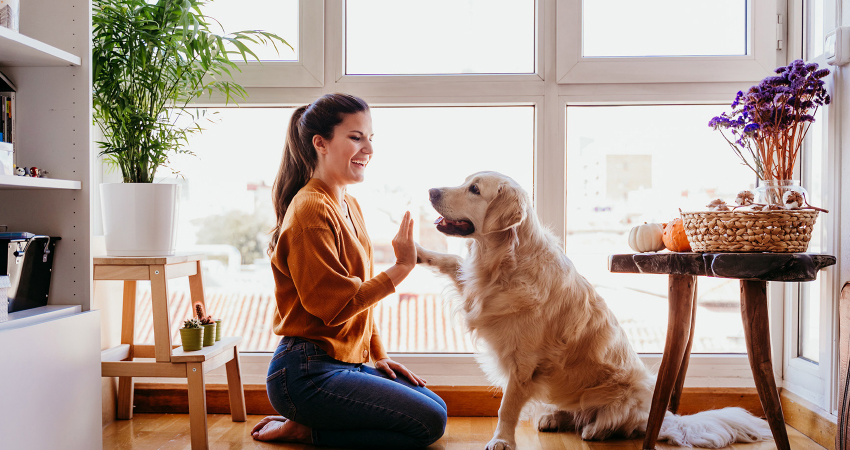
Plants and pets: there’s no better combination for a cheerful, fun home. But having plants and pets at home can be a real challenge!
The colours and shapes of plants attract cats and dogs, who, although very different, love—for different reasons—to chew and eat them. As some plants can be toxic to animals, you need to be careful and make sure the plants you have at home are pet friendly. In this article, we show you some plants considered safe for pets and, on the other hand, some plants that are not pet friendly because they’re toxic.
Here’s a selection of plants to choose from when you have pets:
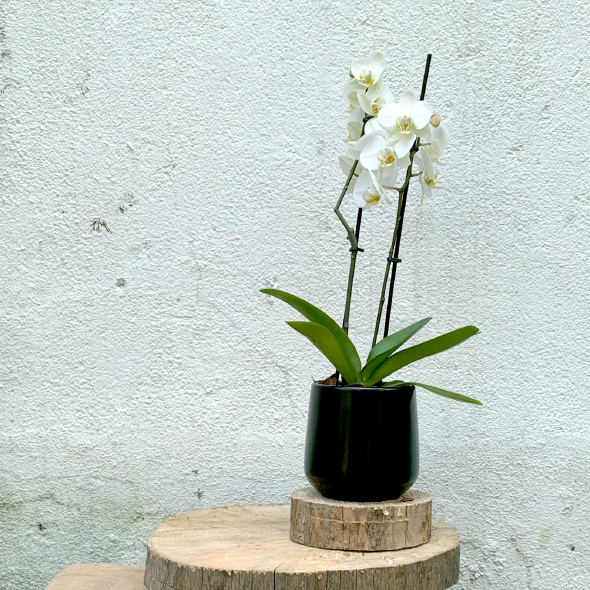
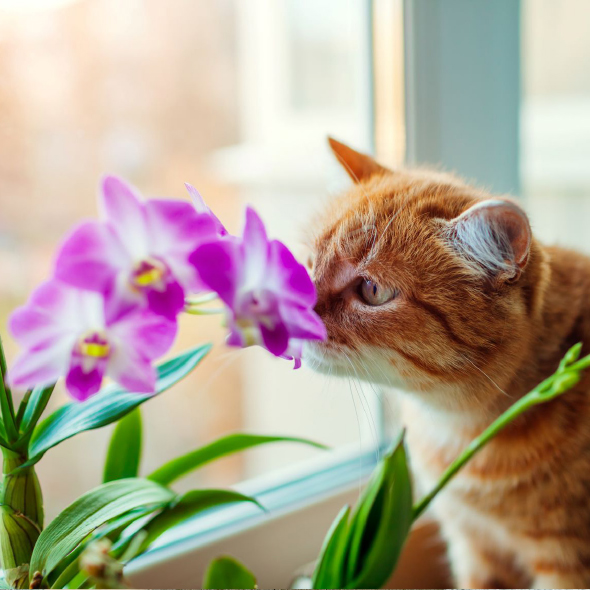
Orchid
The beauty of orchids inspires true passion. With delicate flowers, they enhance and decorate the home in a distinctive way. They’re known for their air-purifying properties and, as they don’t release strong scents, they don’t cause allergies. What’s more, your pets will be completely safe around them because, besides not being toxic, they don’t attract much attention.
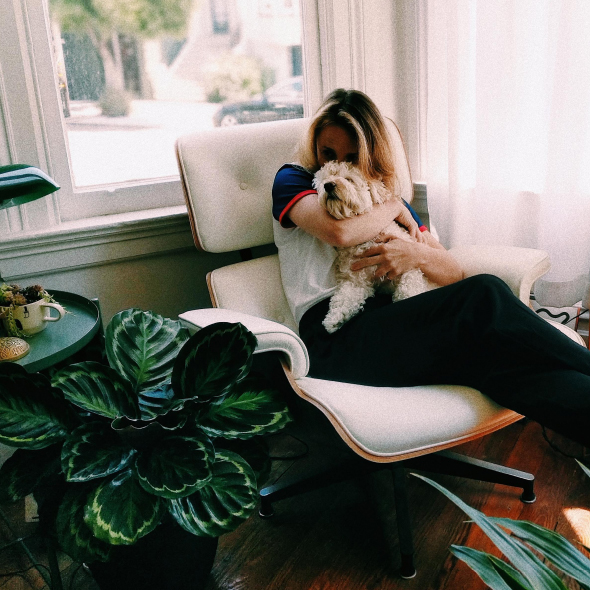
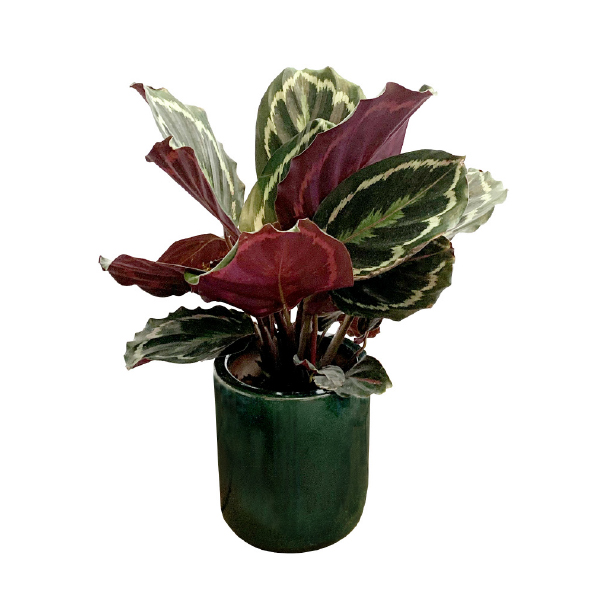
Calathea
Calathea is a pet-friendly plant, meaning it’s not toxic to dogs and cats. That makes it an excellent choice for homes with pets. What’s more, it likes to move to capture light better and has the ability to purify the air. It’s a low-maintenance plant and, thanks to the design of its leaves, it will make an impact in your home décor.
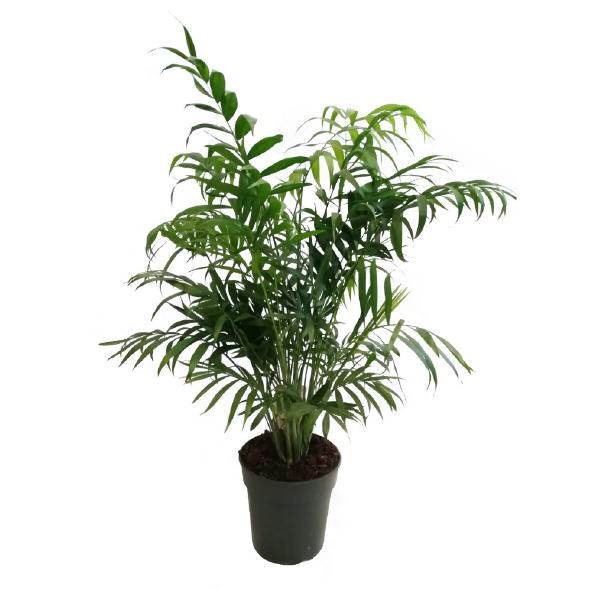
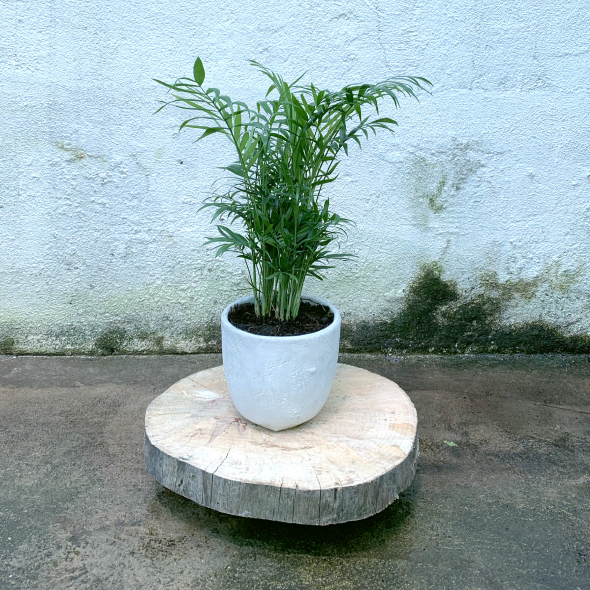
Chamaedorea
Chamaedorea is a small indoor palm with deep green leaves—very elegant and delicate—and it fits beautifully into interior décor. Although it may catch the attention of your little felines, it won’t put them at risk because it’s not toxic. Its soft, permeable leaves are an addictive sensory treat for them.
Succulents
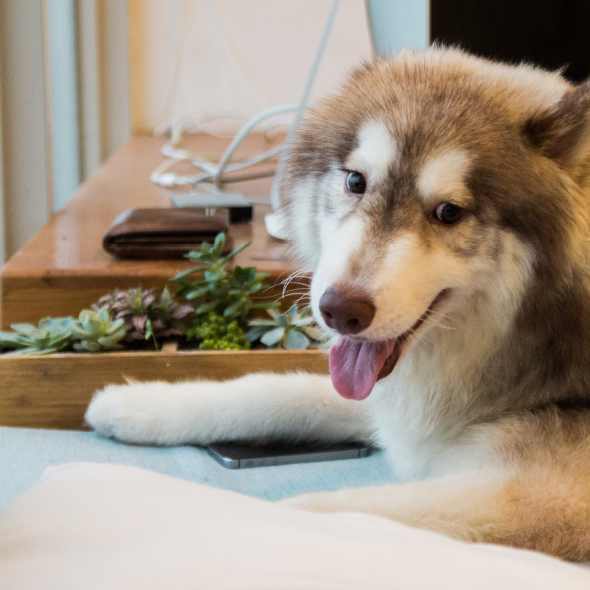
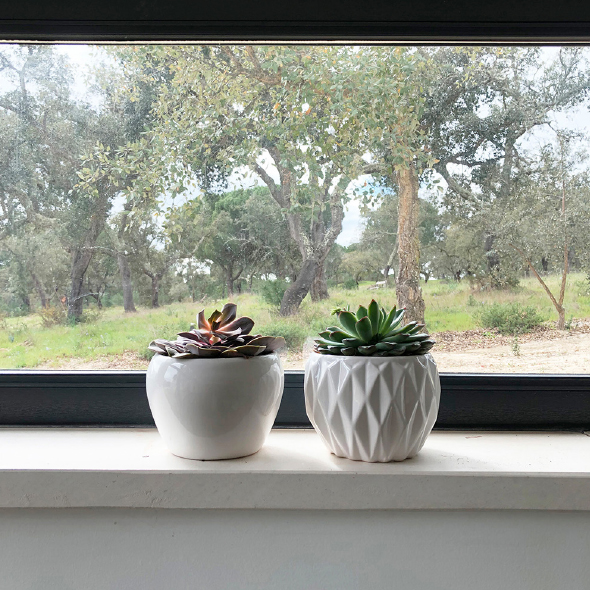
Succulents are plants that don’t require much care; they’re great for beginners and for those who don’t have much time to give them attention. Once adapted to their environment, succulents reproduce, flower, change shape and even colour. Not all succulents are safe for pets—here’s what you should know:
Succulents that are safe for pets (pet-friendly):
- Haworthia (such as Haworthia fasciata, known as the “zebra plant”)
- Echeveria (widely used in interior décor)
- Burro’s tail (Sedum morganianum)
- Hens and chicks (Sempervivum)
Succulents that are toxic to pets (NOT pet-friendly):
- Kalanchoe (can cause vomiting, diarrhoea and heart problems)
- Euphorbias (such as Euphorbia tirucalli; its latex is irritating and toxic)
- Aloe vera (although beneficial for humans, it’s toxic to dogs and cats, causing vomiting and lethargy)
- Jade plant (Crassula ovata; it’s toxic and can cause vomiting and behavioural changes)
Be careful if you have the following plants, they’re toxic and therefore NOT pet-friendly:
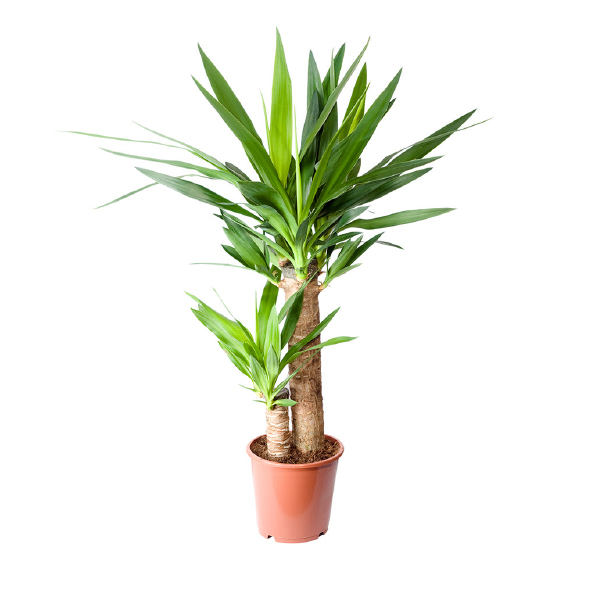
Yucca elephantipes
Also known as Elephant’s Foot, it’s a very sculptural plant and a trend in interior décor. In addition to being easy to maintain and having air-purifying properties, Yucca is considered toxic to dogs and cats due to the presence of steroidal saponins, which can cause adverse reactions in pets if ingested.
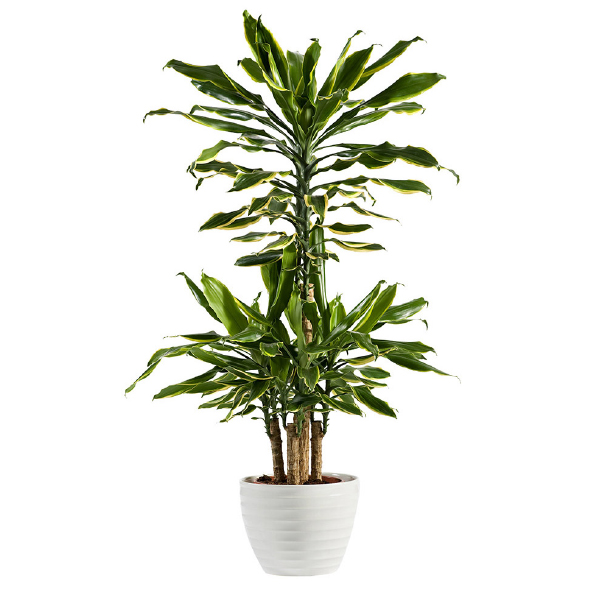
Dracaena
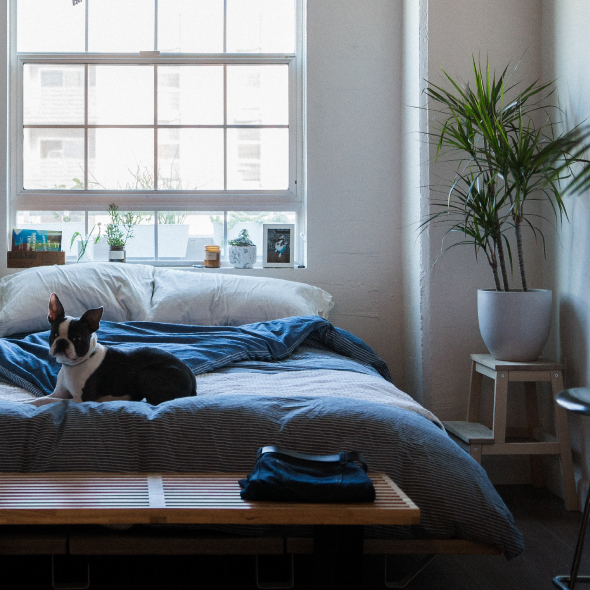
Dracaena is considered one of the hardiest indoor plants, as it adapts easily to any environment. The “tricolour” tone of its leaves—very dark green with purple “scribbled” tips—makes this a very original plant. Despite its qualities, Dracaena is not pet-friendly. This plant is toxic to dogs and cats due to the presence of saponins, chemical compounds that can cause adverse reactions in animals.

Aglaonema
Aglaonema (also known as “Dumb Cane”) is not pet-friendly; it’s considered toxic to dogs and cats due to the presence of insoluble calcium oxalates, which can cause severe irritation if ingested. Its large, striking leaves, with different tones and patterns, are Aglaonema’s hallmark. It’s an indoor plant, perfect for those taking their first steps into the world of plants, as it’s very easy to care for—however, keep it away from your pets!


Tips for those with pets:
Although these plants are completely safe for dogs and cats, here are a few tips to keep them safe too:
- The more out of reach your plants are, the better.
- Avoid placing any kind of textile under the pots—the temptation to pull the fabric will always be stronger;
- Avoid placing the pot on your pet’s favourite piece of furniture;
- Treat both with love and enjoy all the benefits they’ll bring you.
Even if plants are pet friendly, it’s always best to prevent your pet from getting into the habit of chewing them. That habit can lead to ingesting soil or other chemicals. Make sure the fertilisers or pesticides used on the plants aren’t toxic, as they can be more dangerous for pets than the plant itself. Keep toxic plants out of your pets’ reach by placing them in high or inaccessible spots. Watch your pet’s behaviour and, if you suspect they’ve ingested something, seek a vet immediately!
© Companhia das Cores for Horto do Campo Grande