
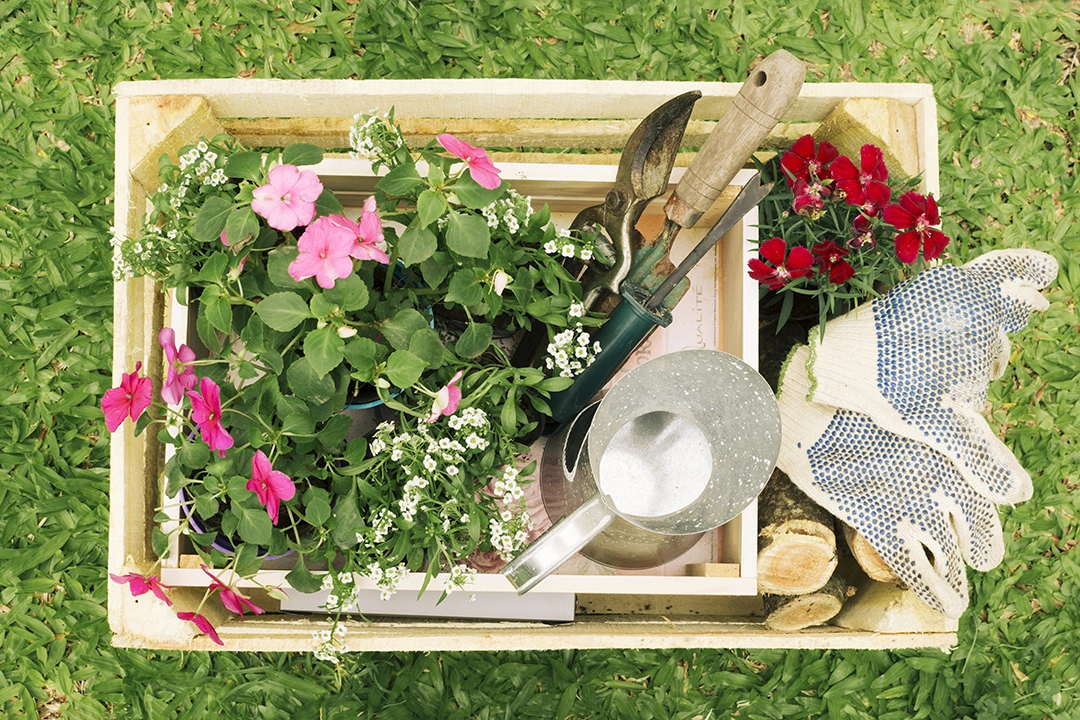
Did you know that the first day of Spring is defined by the equinox, which occurs between March 20 and 21?
In 2026, Spring officially arrived at 2:46 PM on March 20, marking the start of a season full of color, life, and renewal. Now, the days are becoming longer and brighter, and landscapes are filling with flowers that herald a new cycle of nature.
With milder temperatures and brighter mornings, the desire to enjoy outdoor spaces grows. March inspires optimism and invites new outdoor adventures. In the garden or the vegetable patch, this is a time of great activity: it’s time to roll up your sleeves and get your “hands in the dirt”! Discover with Horto do Campo Grande what to sow or plant in your garden or vegetable patch in the coming months.
O que semear ou plantar na Primavera — No jardim
In the garden, Spring is synonymous with color and creativity. Choose flowers you identify with and use them to create arrangements that bring joy to your home or your tables.
Options for this season include chrysanthemums, statice, baby’s breath, gerberas, sunflowers, petunias, peonies, lantana, bougainvillea, gazanias, hydrangeas, and busy Lizzies. As May approaches, it’s the ideal time to plant bulbs and tubers that will bloom in summer or autumn, as well as begonias, geraniums, and dahlias. In June, it’s time to sow wallflowers, primroses, and cyclamens, extending the beauty of your garden.
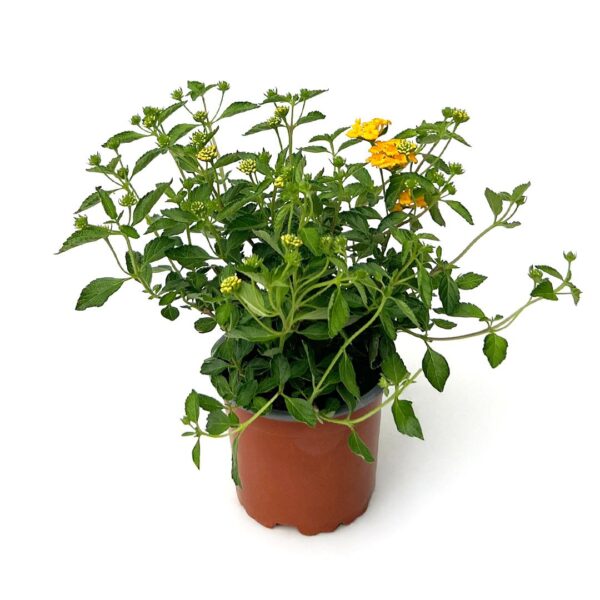
Lantana
Lantana is a semi-shrubby and trailing plant, highly valued as ground cover or in hanging baskets due to its pendulous growth. It features small, oval leaves with a rough texture and characteristic aroma. Its small, tubular flowers cluster in globular inflorescences, with shades ranging from lilac to yellow.
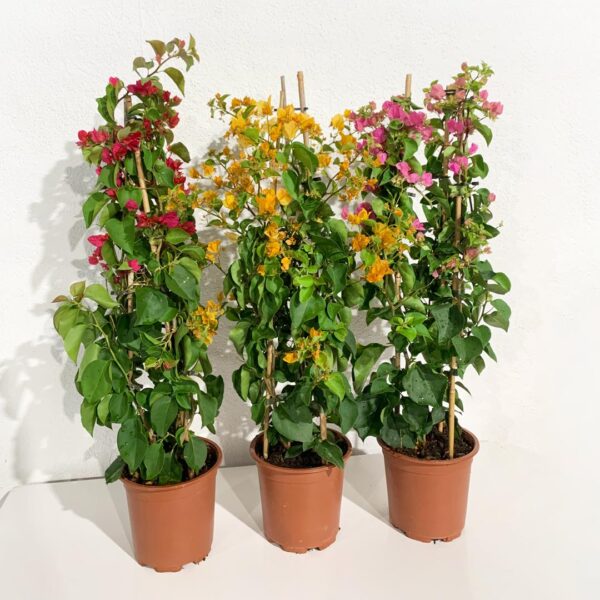
Buganvília
Bougainvilleas are hardy, vigorously growing climbers. Due to its intense flowering and exuberant colors, this flower stands out, creating scenic effects associated with the Mediterranean region. The floral bracts cluster at the tips of the branches from early spring through winter, so having a bougainvillea in your garden or terrace means colour for much of the year.
Gerânio
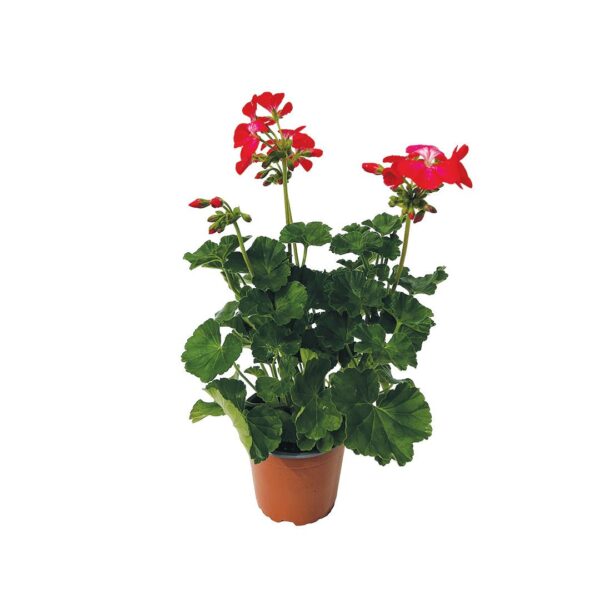
The Sardinheira (or geranium) is a staple of Portuguese balconies and gardens and is a plant well-adapted to our climate. There are several types of Sardinheiras, which belong to the genus Pelargonium, with Pelargonium zonale being the most common. These flowers are ideal for decorating flowerbeds or growing in floor planters as they grow vertically, with leaves covered in a light fuzz, producing bright and varied colored flowers.
Gazânia
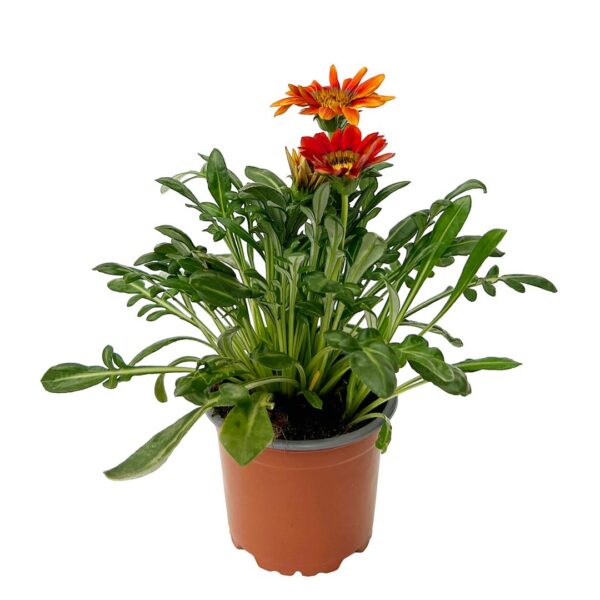
Gazania is a low-growing perennial herbaceous plant with a semi-trailing or dense clumping habit. Its leaves are lanceolate, with a glossy green upper surface and silvery or greyish underside, giving them a distinctive appearance. The flowers are showy heads in shades like yellow, orange, white, red, or pink, often with a darker central ring or contrasting ‘eye’. They only open under direct sunlight and close at night or on cloudy days.
Hortênsia
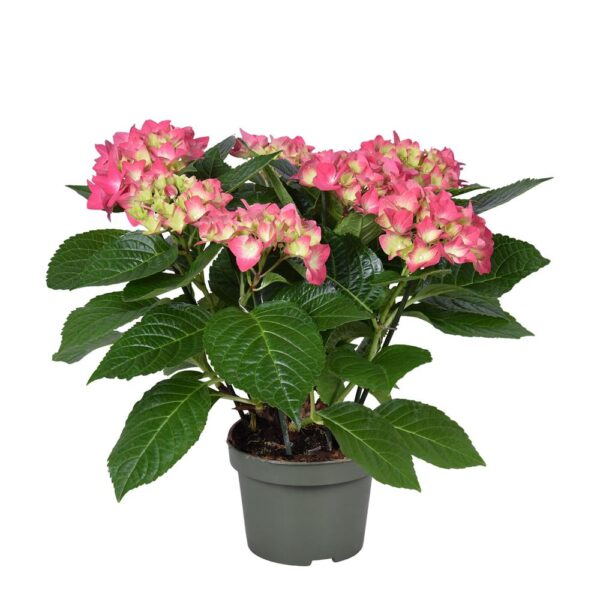
Hydrangea macrophylla, known as hydrangea, is an elegant ornamental plant highly appreciated for its exuberant flowering. Its large, rounded, and voluminous flowers, in shades of blue/purple/lilac/light or intense pink, made up of dozens of small delicate petals, create a very decorative visual effect. Beyond its beauty, it is a relatively easy plant to care for, with the essential requirement of placing it in locations with plenty of indirect light (it does not tolerate direct sun), ensuring regular watering during the warm months, but without waterlogging.
DID YOU KNOW?
Soil pH influences flower color – more acidic soil favors blue/purple tones. In Portugal, hydrangeas tend to grow very well in cooler, more humid areas where the soil also has a naturally more acidic pH, such as Northern Portugal and the Azores, where they are particularly abundant.
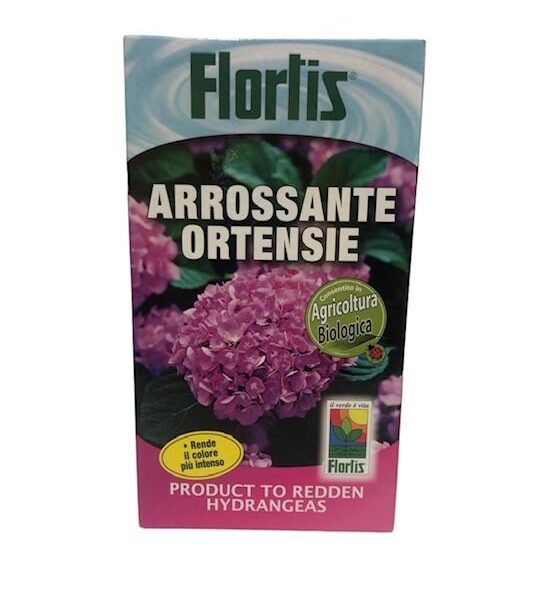
Like other acidophilic plants, regular fertilization with specific fertilizers is very important to neutralize soil alkalinity. The application of iron sulfate, blueing agents and purpleing agents for hydrangeas are essential to obtain plants with stronger colors.
Like other acid-loving plants, regular fertilization with specific fertilizers is very important to counteract soil alkalinity.
The application of iron sulfate, hydrangea bluing and purpling agents is essential to achieve plants with stronger colors.
Maria sem Vergonha
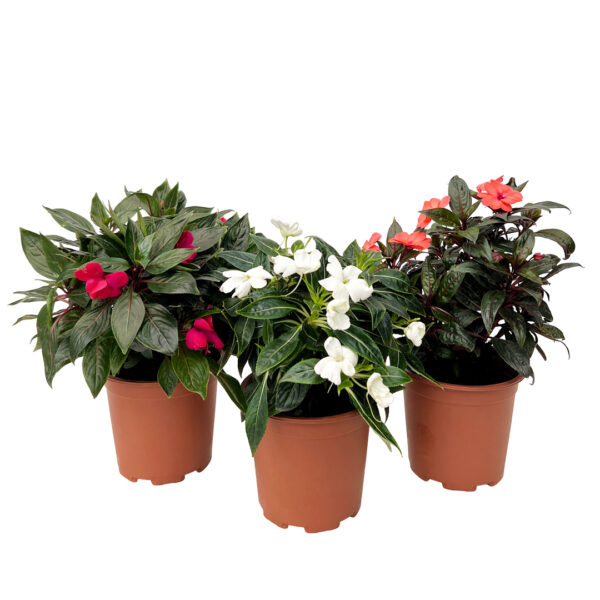
Impatiens New Guinea, known as Busy Lizzie, is a compact herbaceous plant known for its large, showy, and long-lasting flowers in shades including pink, purple, white, and salmon. Continuous flowering from spring until the first frost, ideal for pots, flowerbeds, and shaded areas with indirect light.
O que semear ou plantar na Primavera — Na Horta
Spring is also an excellent time to bring your vegetable patch to life. More and more people are choosing to grow their own food, ensuring fresh, healthy, and flavorful meals.
This season, you can plant asparagus or strawberries, and sow a wide variety of vegetables such as pumpkin, potato, beetroot, broccoli, carrot, cabbage, broad beans, beans, melon, watermelon, turnip, cucumber, and tomato. In May, you can sow and plant watercress, lettuce, peppers, Padrón peppers, radishes, and cabbage.
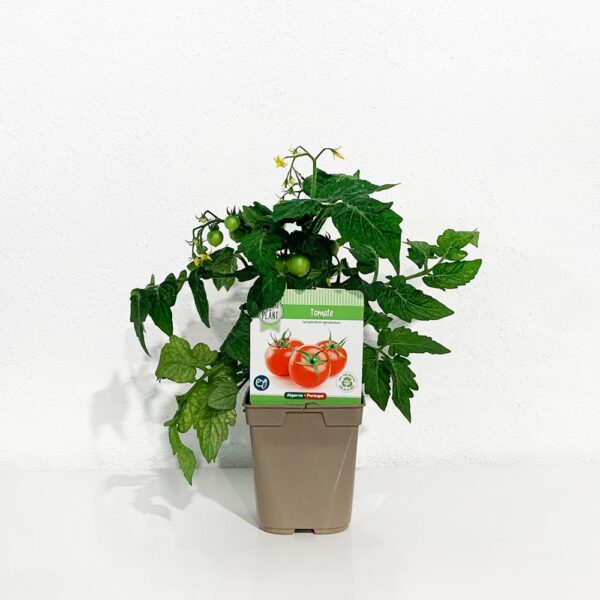
Tomateiro
The tomato plant is an annual herbaceous plant characterized by thin, flexible stems, often supported to prevent them from trailing on the ground and the fruit from rotting. It should be grown in full sun as it needs at least 6 hours of direct sunlight daily to flower and then bear fruit. The leaves are dark green, and the small yellow flowers cluster in inflorescences. The fruits, known as tomatoes, come in various colors, shapes and sizes, depending on the variety grown.
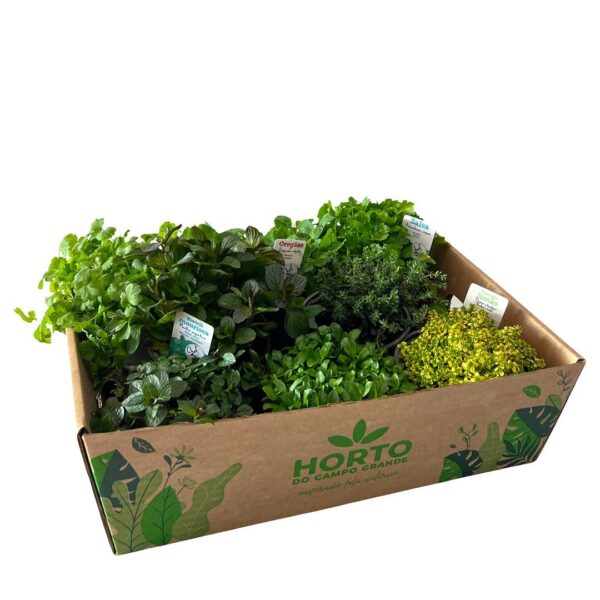
With the arrival of June and longer, warmer days, take the opportunity to prepare nursery sowings of lettuce, leek, cabbage, cauliflower, Brussels sprouts, turnip greens, and collard greens.
To ensure good results, it’s essential to know each plant’s needs—light, water, and soil type—ensuring healthy and productive growth. This way, you can combine beauty and utility, making the most of this very special season.
TIP
Incorporate insect-repellent plants, such as marigolds, lavender, rosemary, sunflowers, or mint. This way, you keep mosquitoes, gnats, and other unwanted insects at bay and protect your space, while attracting pollinators such as bees and butterflies, contributing to your garden’s biodiversity.
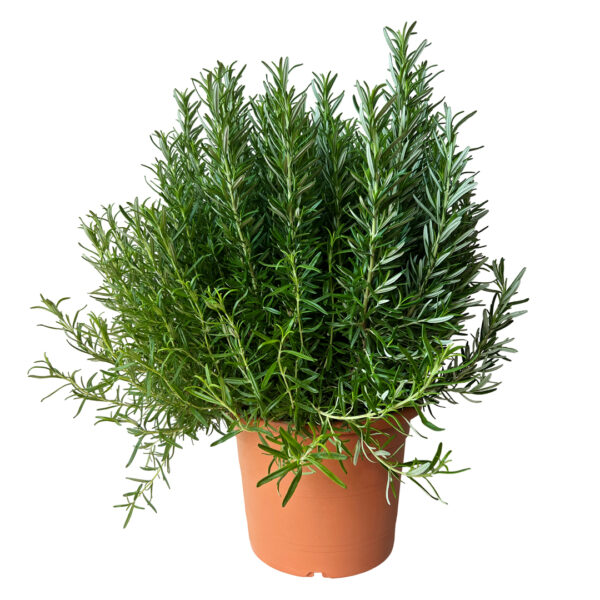
Alecrim
Rosemary is a perennial and woody shrub with ascending branches. It’s a plant very well-adapted to our climate that loves full/direct sun. Its leaves are narrow, dark green in color, with a characteristic intense aroma. The flowers appear in blue/lilac tones, giving a very ornamental touch to this super-resistant plant. It’s widely used in cooking and traditional medicine.
© Companhia das Cores for Horto do Campo Grande