

In winter, plants consume less energy, entering a kind of hibernation to protect themselves from lower temperatures and to accumulate enough energy to bloom in spring. The cold weather keeps pests at bay and gives watering schedules a break, but it requires other care to ensure a beautiful garden in spring. From cleaning deciduous plants to pruning shrubs, there are several essential tasks so that, with the arrival of the new season, your plants bloom and grow healthy and beautiful.
What to sow during winter:
December
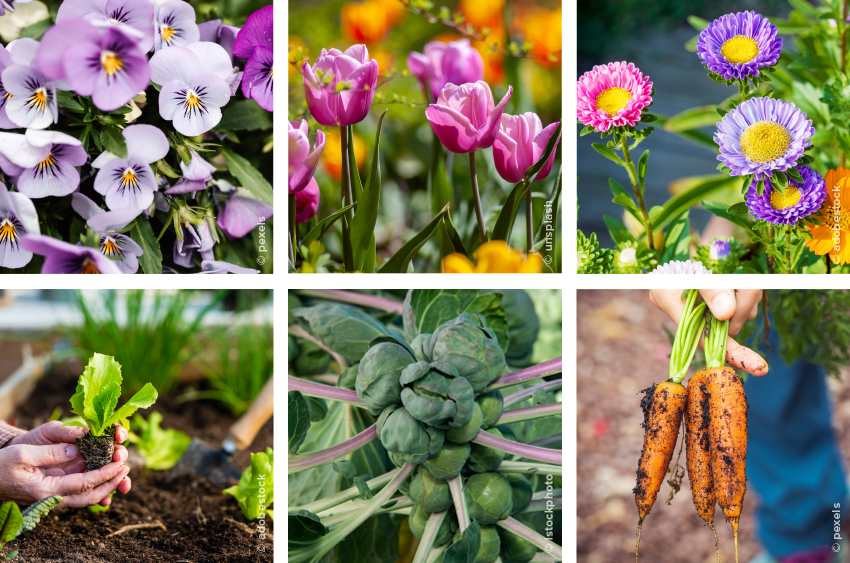
- In the vegetable garden – If there are no frosts, sowing of wheat and rye continues, as well as onions, cabbages, beetroot, turnip greens, peppers, tomatoes, and parsley. In sheltered spots, you can also sow lettuce, spinach, watercress, broad beans, and peas. It is time to plant apple and pear trees.
- In the garden – This season is suitable for planting bare-root trees such as roses, also available in Meilland and David Austin transplant pots. And for planting roses, gladioli, cyclamens, and lilies, protected from frost. Sow wallflowers and hyacinths. Harvest cyclamen, azalea, rhododendron, and viburnum tinus.
January
- In the vegetable garden – it is time to sow romaine lettuce, potatoes, kale, cabbage, and radishes in frost-sheltered beds. Harvest kale and spinach.
- In the garden – this is the ideal time of year to plant begonias, gypsophila, sunflowers, lilies, fleur-de-lis, wallflowers, forget-me-nots, etc. And harvest violets, pansies, camellias, hyacinths, and tulips.
February
- In the vegetable garden – Sow leeks, beetroot, onions, carrots, coriander, cauliflower, turnip tops, asparagus, peas, spinach, broad beans, beans, watermelon, turnip greens, peppers, radishes, cabbage, parsley, and tomatoes. Harvest carrots and Brussels sprouts.
- In the garden – Sow gypsophila, basil, asters, etc. Harvest pansies and violets.
Plants, bulbs, and seeds available at Horto do Campo Grande.
Check out the essential tasks for taking care of the garden in winter:
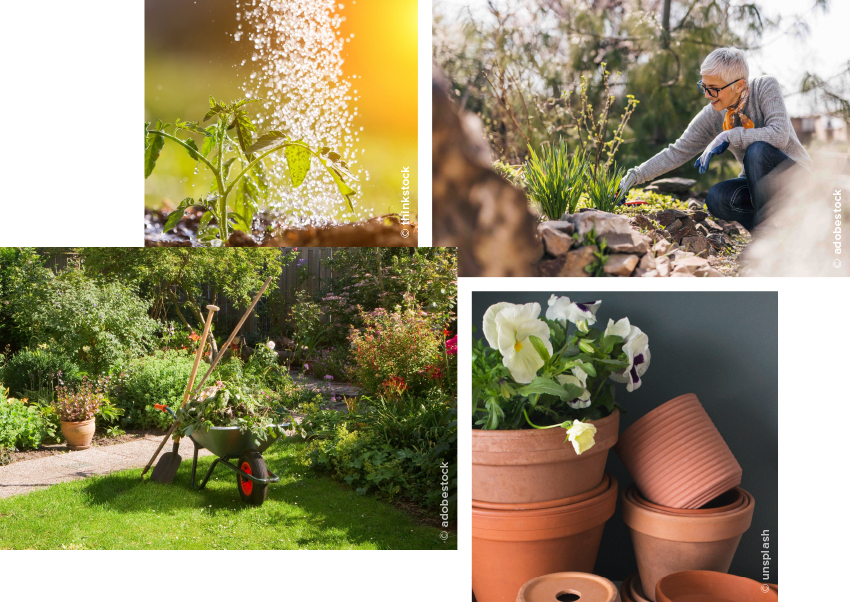
- Fertilize plants before winter
It is advisable to fertilize plants every three months; therefore, in the cold season, the ideal time to fertilize them is before winter, as nutrients give plants the energy to get through the cold season stronger.
- Clean and prepare potted plants
Frost can damage potted plants, so it is important to move pots with plants that are more sensitive to cold winter temperatures. Before bringing plants indoors, clean them and remove any fallen or diseased leaves. If it is not possible to move the pots indoors, make sure they are in a protected area, such as a balcony, so they receive protection from strong winds and cold nights.
- Prune shrubs and plants
Pruning of trees and plants should be done mainly at the end of the winter season. It is important that this task is carried out during this period to ensure that plants are ready for spring, resulting in higher quality fruit and more beautiful flowers.
- Water the garden in moderation
In winter, remember that excessive amounts of water can promote root rot and certain plant diseases due to excess moisture in the soil. To combat this problem, allow the soil to dry out between waterings so that water does not accumulate around the plant roots. The cold also means plants require smaller amounts of water for their metabolic functions, mainly because the plant does not transpire as much as on hot days.
By following these steps before the arrival of the next season, you will have a beautiful garden full of tasty fruits and enchanting flowers. Also find out about caring for indoor plants in winter.
The Horto do Campo Grande team, made up of experienced and qualified professionals, provides various green space maintenance services, such as pruning, hedge trimming, garden standardization and cleaning, recovery and upgrading of irrigation systems, among others—contact us!
© Companhia das Cores for Horto do Campo Grande