
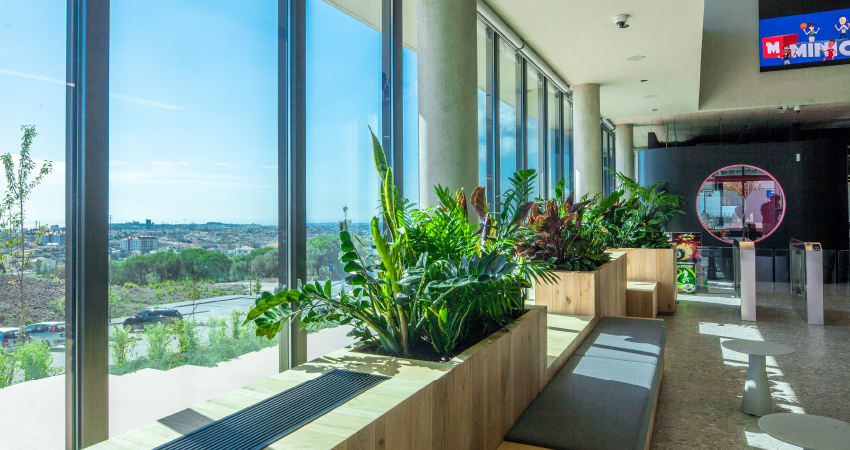
Miniclip, founded in 2001 and operating in Portugal since 2010, recently inaugurated its new facilities at Taguspark – Knowledge City, in Oeiras. Horto do Campo Grande was part of this project, where nature is a primary element.
The demanding quality and well-being criteria that define Miniclip’s culture were reflected in sustainable construction practices, which were consistently integrated throughout the process by Openbook, the firm responsible for the architectural project. With a focus on employee well-being, the project features elements such as thermal comfort and air quality monitoring, as well as fully ergonomic furniture—factors valued for WELL v2 certification that enhance the well-being and health of professionals.
A space for balance between work and leisure
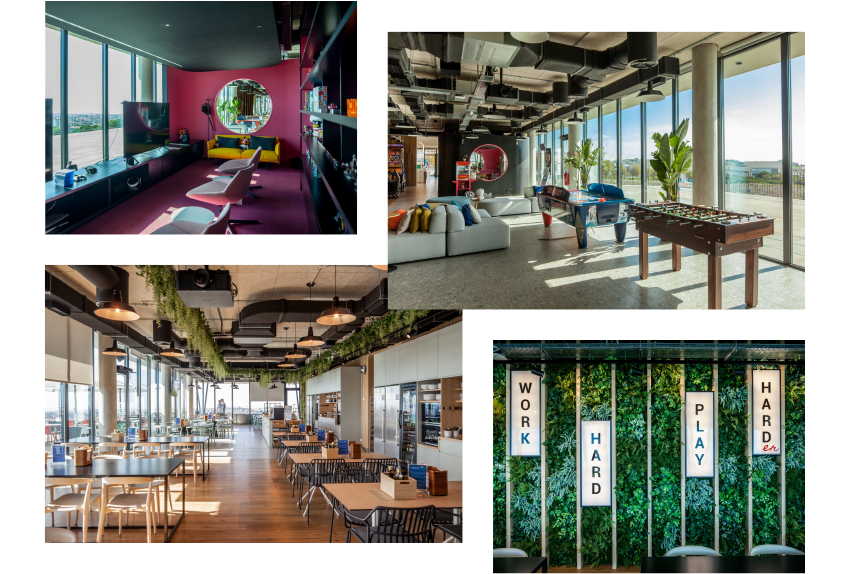
One of the focuses of the architectural project was to create various innovative spaces designed to captivate employees, where work and leisure coexist. With the adoption of new hybrid work models following the pandemic, the workplace is now a meeting point where employees go for collaborative work, leading to transformations in the design of the spaces themselves.
In this sense, the collaborative and leisure areas provided access to especially attractive zones and outdoor spaces, where employees take advantage of the building’s magnificent view. The various spaces were designed
in detail for those who experience them, which also becomes a way to retain talent, tailored to the type of work they perform and what they want to promote as a team. The outdoor area introduced a generous terrace that has become an informal work and leisure zone.
The building was equipped with a variety of spaces: several open-plan areas, informal and collaborative workspaces, meeting rooms and phone booths, a quiet area, an amphitheatre, a gym, a cafeteria, and a games area.
Contact with nature
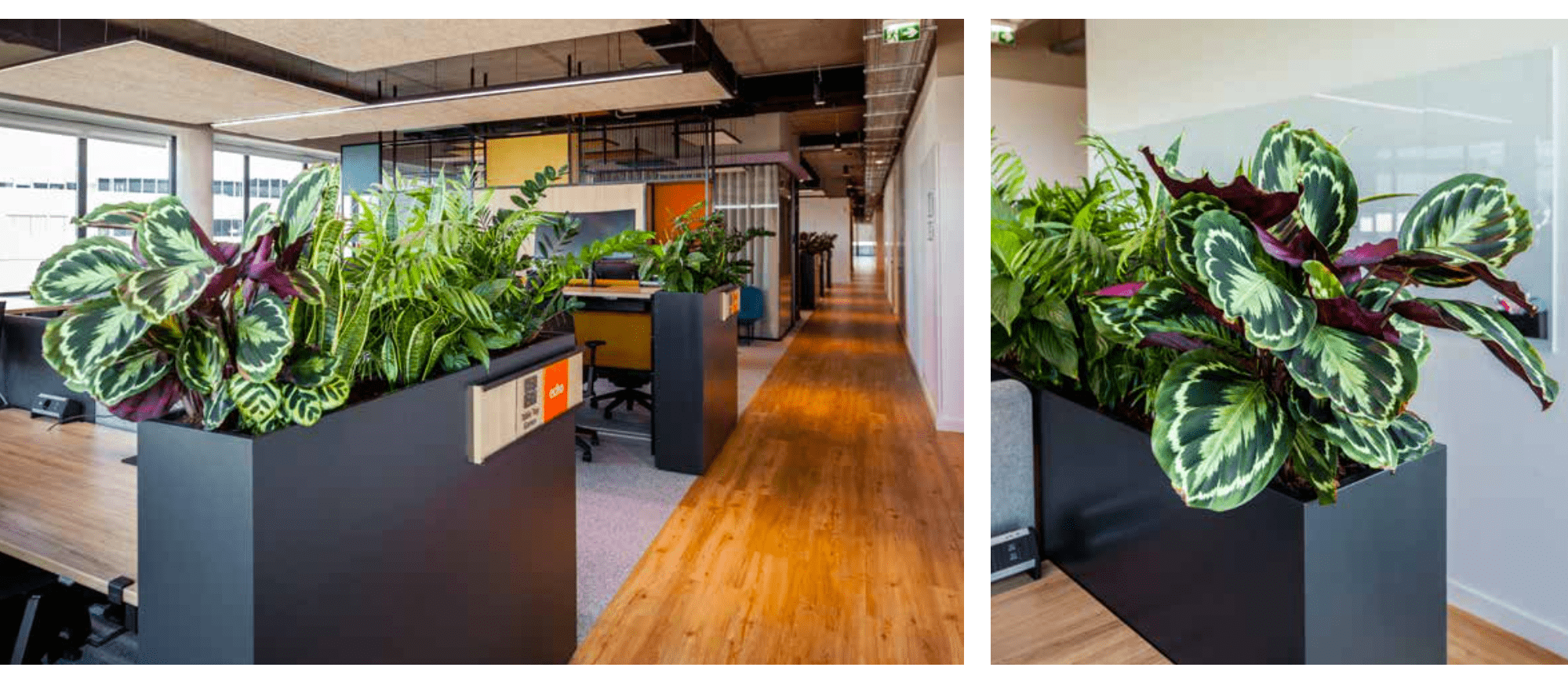
The entire landscaping project was designed to ensure the presence of nature, both outside and inside the building.
The main concerns for the exterior were, on one hand, the building’s surroundings to create a visually pleasing space and, on the other, the creation of inviting spaces for spending time outdoors. Inside, the presence of large planters and the selection of suitable plants contribute to a greener and more fluid environment, bringing the outdoors into the workspace—a project to which Horto Campo Grande contributed.
Horto do Campo Grande’s proposals
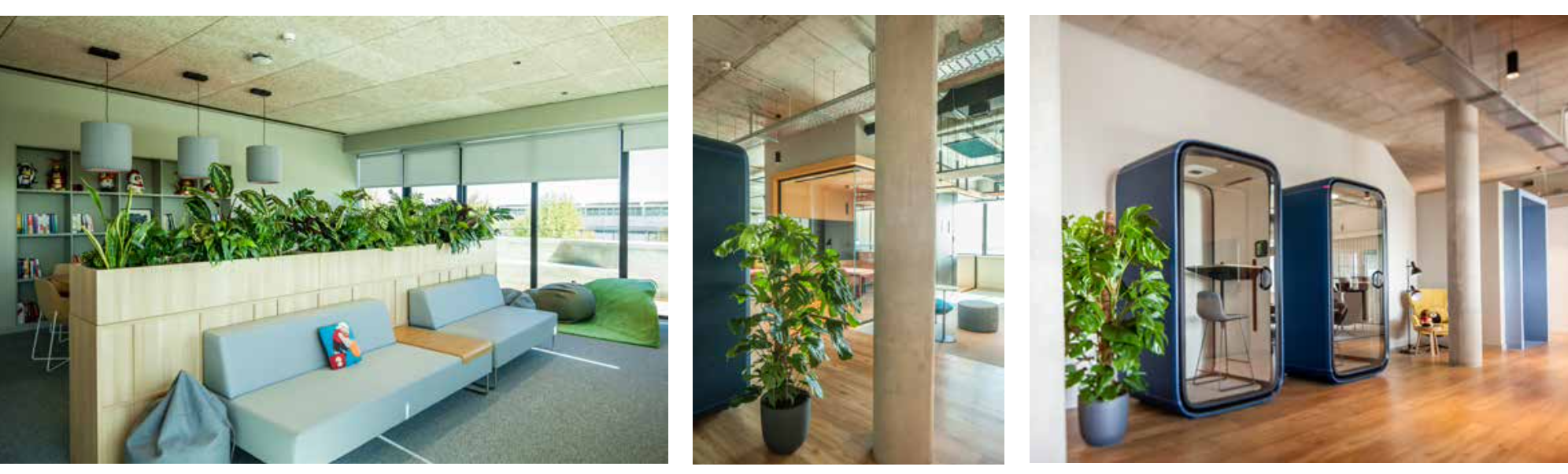
The building included a series of planters, for which Horto do Campo Grande proposed a selection of species that would best adapt to the different locations.
The choice fell on a selection of plants that, through their colours, textures, and shapes, formed aesthetically and visually harmonious sets. Low-maintenance plants that, besides adding beauty, help purify the air and promote greater thermal comfort for users.
Subsequently, pots with lush foliage and large plants were placed to enhance the environment where they were located. Smaller planters were also placed in areas with generous windowsills to create a green barrier while allowing a view of the outside, prioritizing employee privacy.
A vertical garden was also built in the cafeteria area using artificial plants to allow for a visual green presence in a location where it is difficult for natural plants to survive. In the same space, hanging plants were also placed on the pre-existing ceiling grid of the cafeteria area.
Discover the plant selection for this project
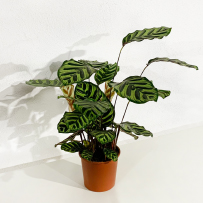
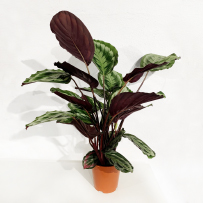
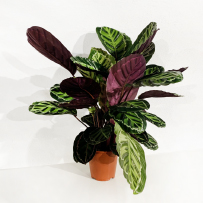
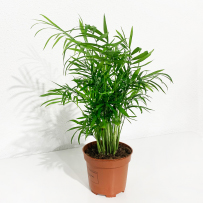
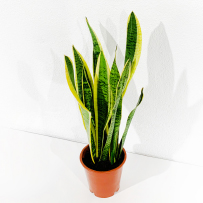
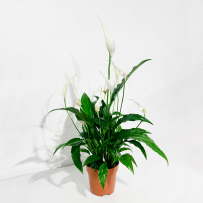
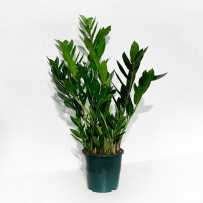
For the planters: Calathea makoyana, Calathea roseopicta medallion, Calathea Roseopicta Flamestar, Chamaedorea elegans, Sansevieria trifasciata laurentii, Spathiphyllum bellini, and Zamioculca zamifolia.
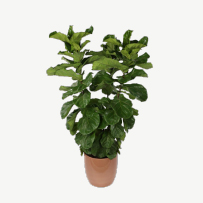
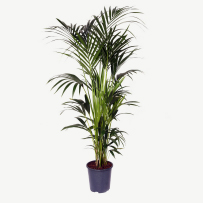
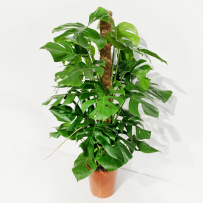
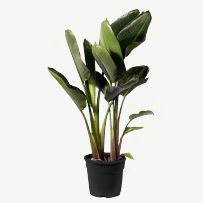
For the pots: Ficus lyrata, Kentia, Monstera deliciosa, and Strelitzia Nicolai.
© Companhia das Cores for Horto do Campo Grande