
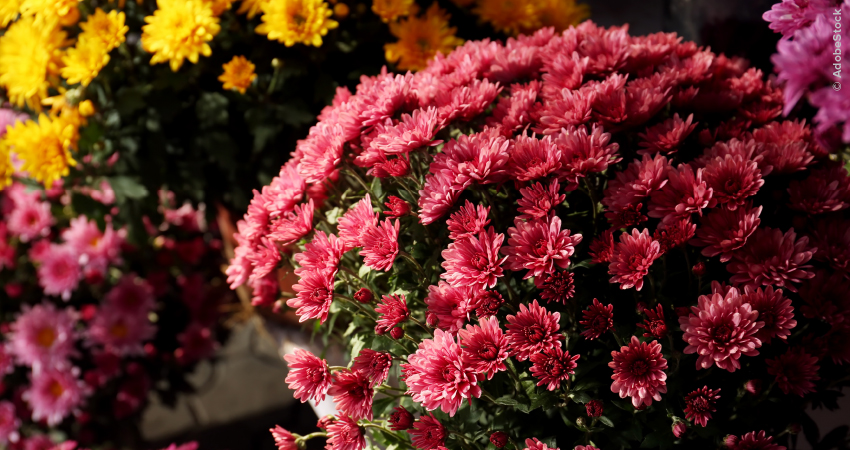
All Souls’ Day, also known as the Day of the Dead or the Day of the Faithful Departed, is celebrated worldwide on 2 November. The history of this day dates back to the 5th century, when the Church began to dedicate one day of the year to pray for the souls of all the deceased who had fallen into oblivion. Born in France, the tradition eventually spread throughout Europe, until All Souls’ Day was made official in the 11th century by Popes Sylvester II, John XVIII and Leo IX.
Many cultures celebrate this date, each with its own rituals, ranging from more intimate and discreet events to huge festivities that attract thousands of people, as in Mexico.
In Portugal, at this time of year, many families go to cemeteries to pay tribute and show affection for their loved ones, bringing floral arrangements with them.
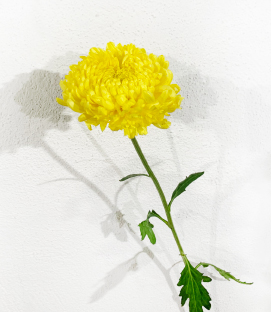
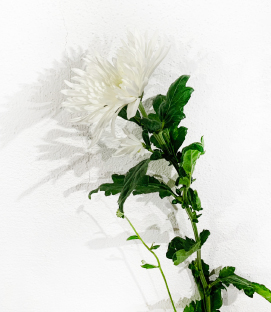
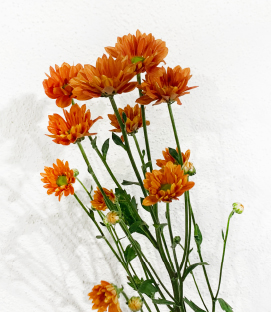
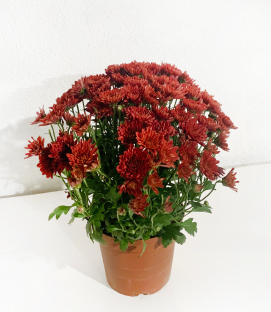
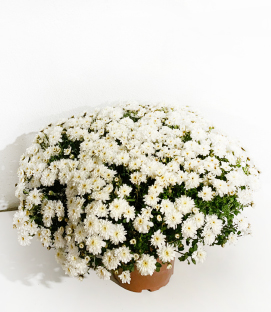
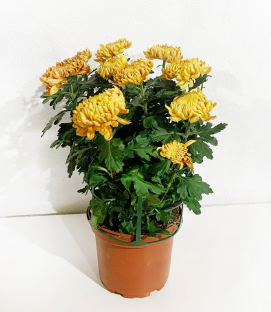
Traditional flowers for All Souls’ Day
Chrysanthemums
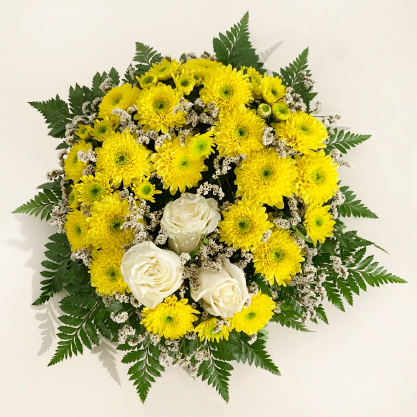
Originally from China and Japan, chrysanthemums are, without a doubt, the most traditional flowers for All Saints’ Day. Placing chrysanthemums by graves is a very common ritual, not only in Portugal but in many other countries as well. The symbolism associated with chrysanthemums also supports their use on this date: while in the West they are linked to death, in the East they symbolise loyalty, optimism and joy—representing both life and death.
Roses
White roses symbolise spirituality, reverence and eternal love, while red roses symbolise courage, respect and love. Of Asian origin, they can be included in other funeral arrangements such as wreaths or crosses to decorate graves.
Orchids
Of Asian origin and extraordinarily exotic beauty, white orchids symbolise spiritual purity and eternity. As they represent the eternal love that remains for the loved one who has passed away, they feature in many funeral arrangements that decorate graves.
Daisies
Of European origin and full of distinctive features, daisies have a special meaning for All Souls’ Day, representing innocence and simplicity. Daisies convey the idea that life is fleeting, but the beauty and purity of souls remain.
Gladioli
Originally from Asia, Africa and the Mediterranean, gladioli are seen as a symbol of remembrance and honour, and are one of the plants chosen for All Souls’ Day. The name “Gladiolus” comes from the Latin word “gladius”, meaning “sword”, a reference to the shape of the leaves, which resemble a blade.
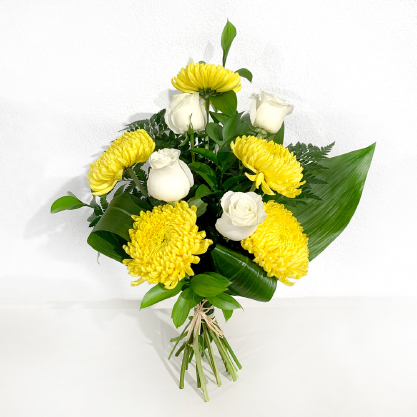
See more options in our online shop
© Companhia das Cores for Horto do Campo Grande