With a truly tropical look, admiring a Kentia immediately teleports you to a tropical beach, full of palm trees, turquoise sea, and white sands. Its exotic beauty, combined with its great capacity to purify the air and boost happiness, creativity, and productivity, makes this plant one of the best choices for decorating living rooms, offices, and workspaces.
Common Names: Howea, Kentia palm, Palm tree, Paradise palm
Family: Arecaceae
Origin: Australia
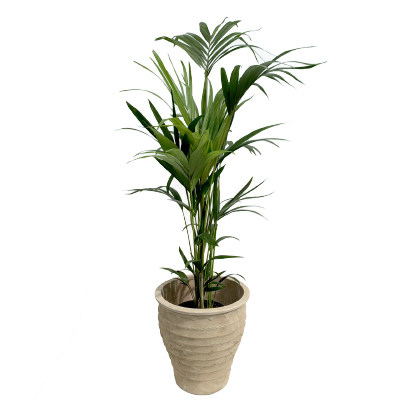
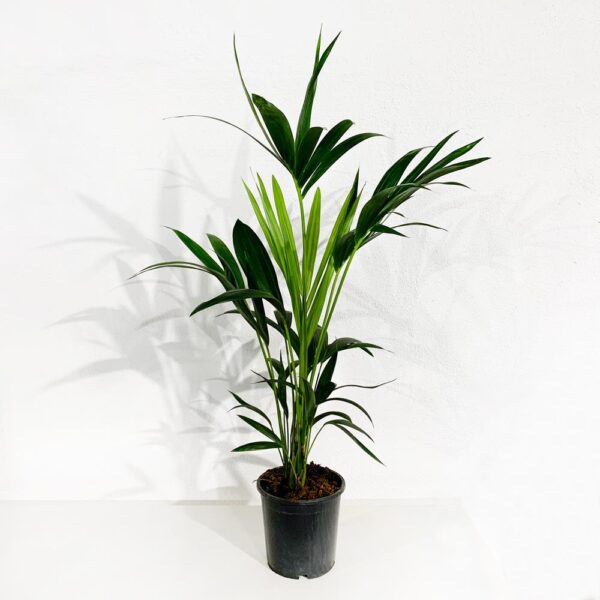
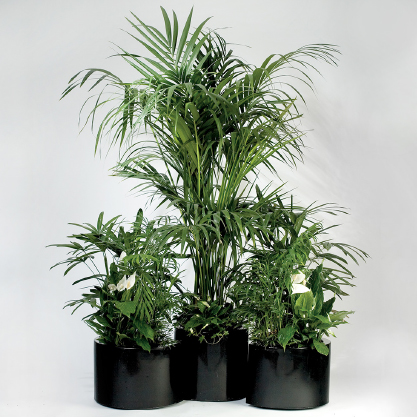
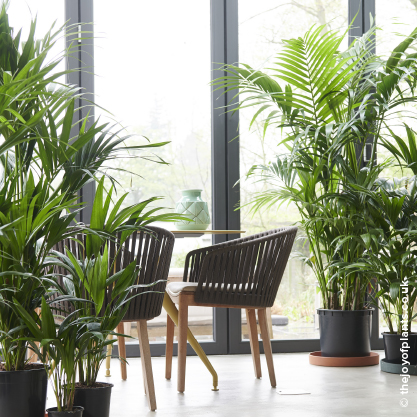
The Kentia, also known as Howea or Paradise Palm, is a true “explosion” of green leaves full of freshness and elegance. Low-maintenance in terms of care, it only needs to be in a semi-shaded spot, free from drafts, and watered moderately.
In addition to its decorative qualities and ease of care, the Kentia is recognized for its health benefits as an air purifier.

Did you know…
The Kentia reduces stress and, like all large plants, is ideal for reducing noise pollution?
Main features


How to care for it:
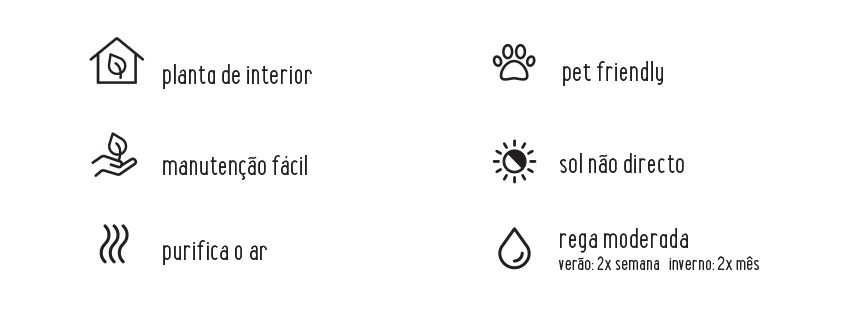
Although it tolerates forgetfulness well, the Kentia likes its leaves to be sprayed with water regularly (once a week) to keep it happy. The “secret” is to try to reproduce the tropical conditions of its place of origin.
As a plant native to Australia, the Kentia appreciates a mild temperature throughout the year and some humidity.
Light: As a self-respecting tropical plant, the Kentia loves some brightness, but without direct sunlight. In the warmer months, if you have space, you can place the Kentia outdoors, as long as you choose a shaded spot.
Watering: This palm requires regular watering, but always without letting the soil become waterlogged. During Spring and Summer, it can be watered weekly, letting the substrate dry out between waterings. In the winter months, it is important to reduce watering. To figure out when it’s time to water, use the old trick: stick your finger into the substrate up to 3 cm deep and only water if it isn’t moist.
Substrate: The Kentia prefers a permeable and slightly acidic substrate.
Tip
Avoid cutting green foliage from the Kentia; remove dead stems by cutting close to the trunk, and leaves with brown tips can be trimmed.